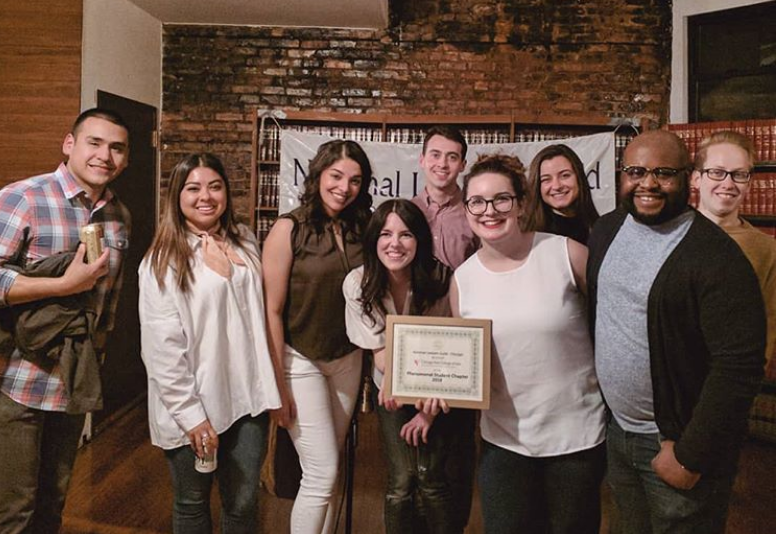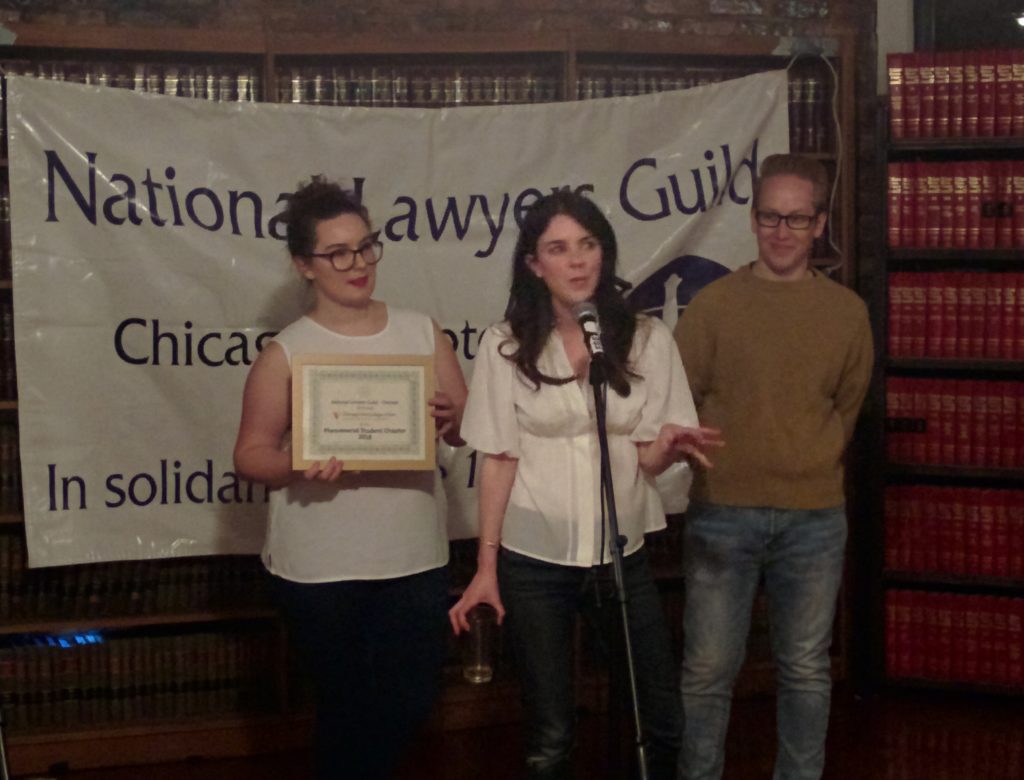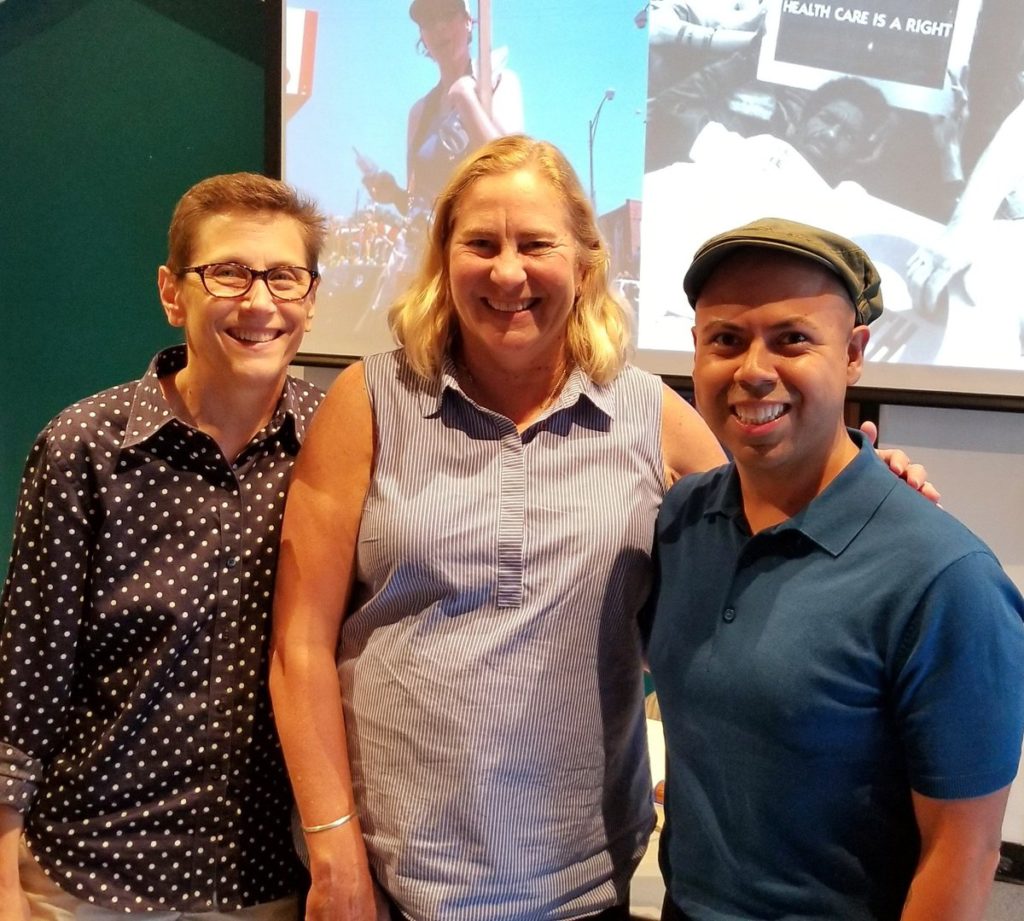
On August 23, NLG Chicago hosted a workshop that focused on the unique situations that arise when representing organizers and activists arrested at mass mobilizations or direct actions, with an emphasis on supporting LGBTQ and HIV/AIDS movements. The presenters were Janine Hoft, attorney at People’s Law Office, who has decades of experience providing legal support to activists and has represented over 1,000 people arrested at protests, and Jeanne Kracher, Executive Director of Crossroads Fund and an organizer with extensive social justice experience and founding member of ACT-UP/Chicago. The event was moderated by Emmanuel Garcia, community organizer and founder of Vives Q, a public program by and for the Latinx LGBTQ community in Chicago.
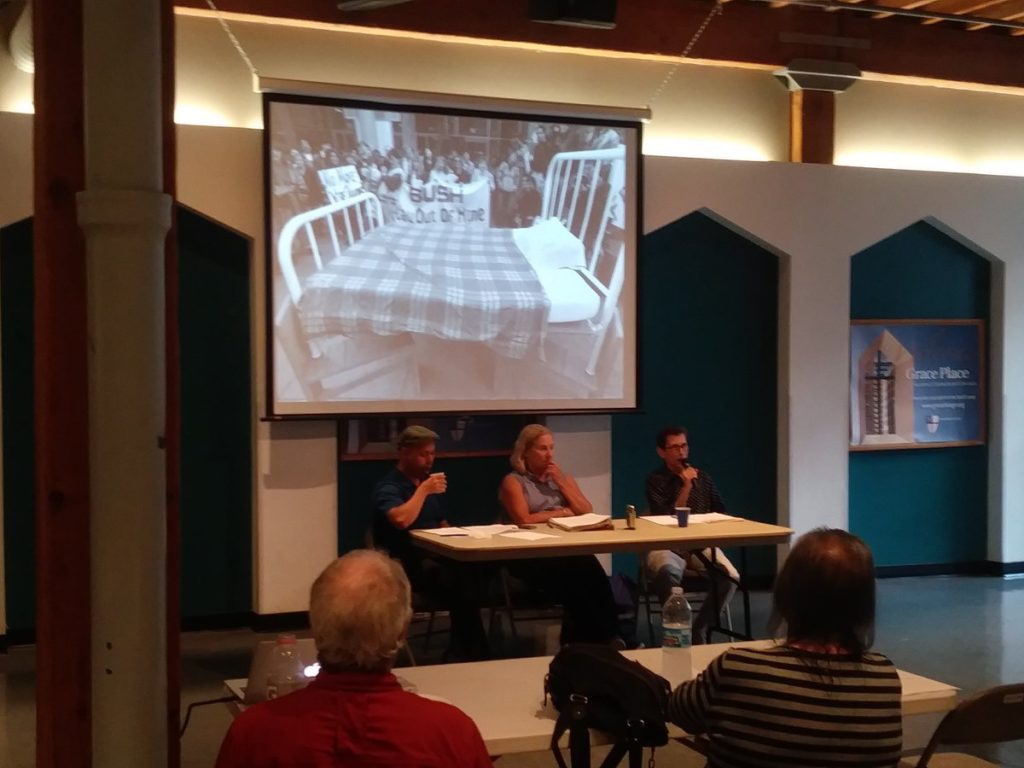
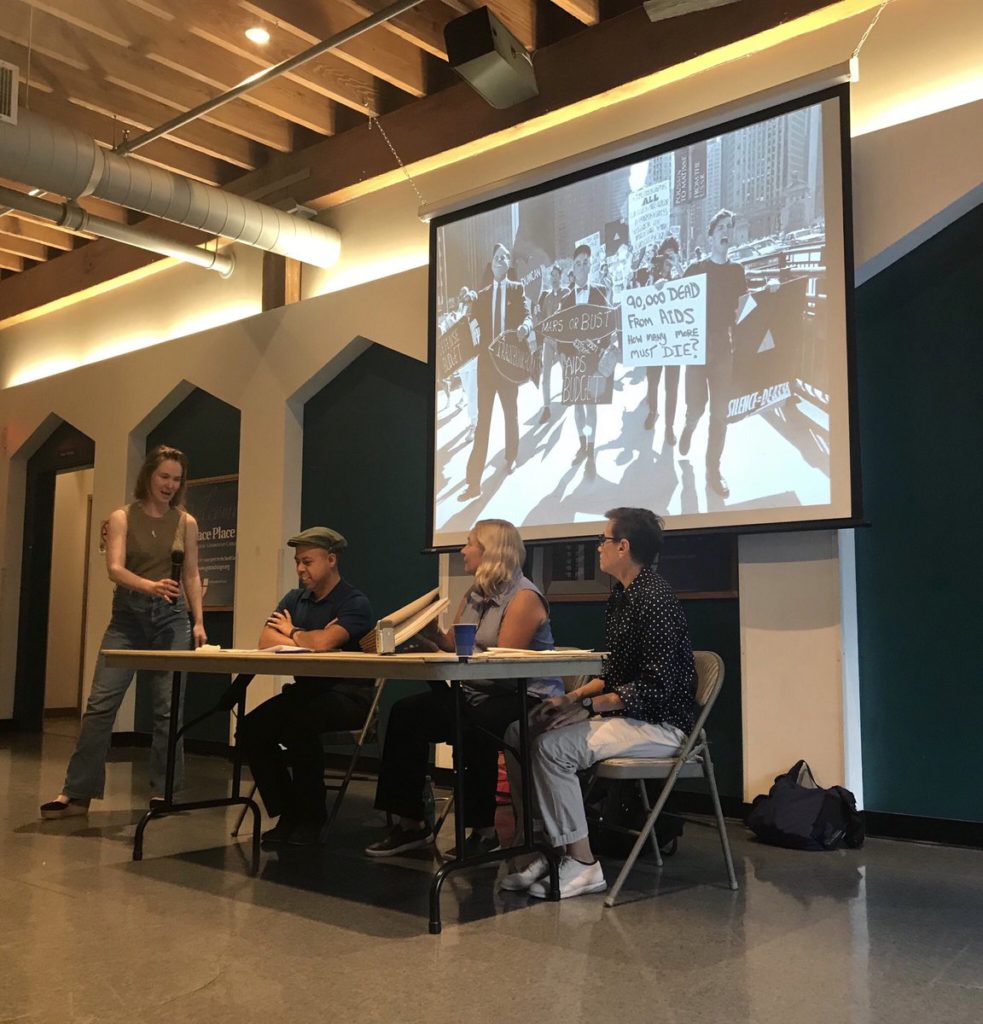
The discussion drew upon Janine and Jeanne’s shared history of participation in and support of social movements from the 1980s to the present, from ACT-UP and International solidarity actions to protests against police brutality and the War in Iraq to movements for immigrant rights and economic justice.
They addressed how lawyers can empower their activist clients within a disempowering legal system and the role of a lawyer in advising and guiding clients while giving them agency to decide their own legal and political goals. The presenters also discussed the tension of zealously advocating for an individual client while also considering the collective goals of other defendants and a larger movement.
Jeanne Kracher reminded us, “The law is incomprehensible to anyone other than lawyers.”
This was the second event in an ongoing series of workshops provided by the Mass Defense Committee of NLG Chicago.


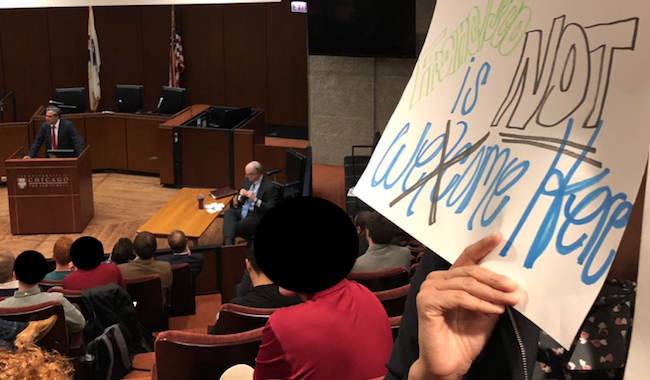
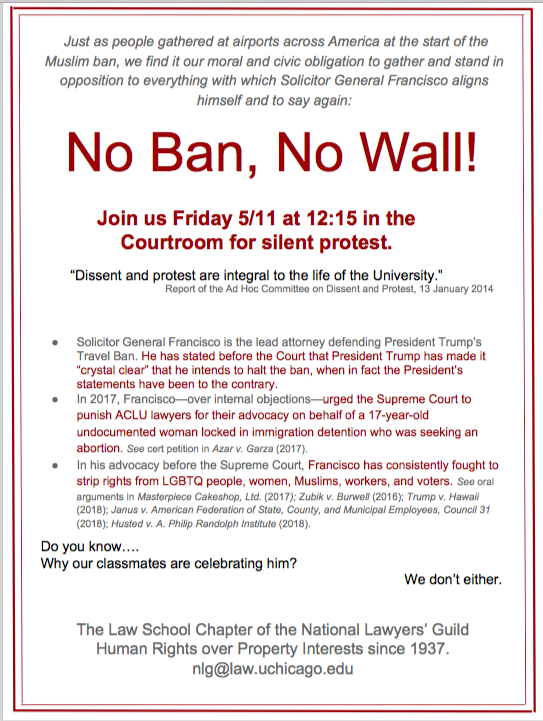
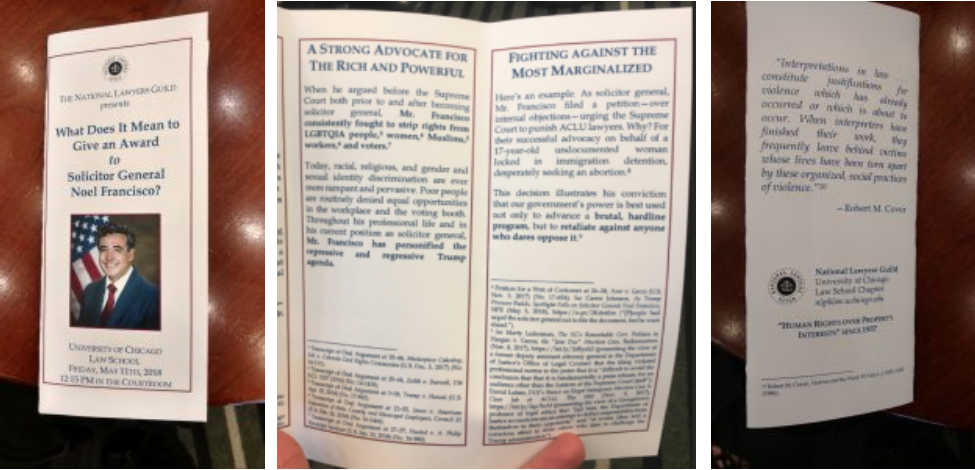
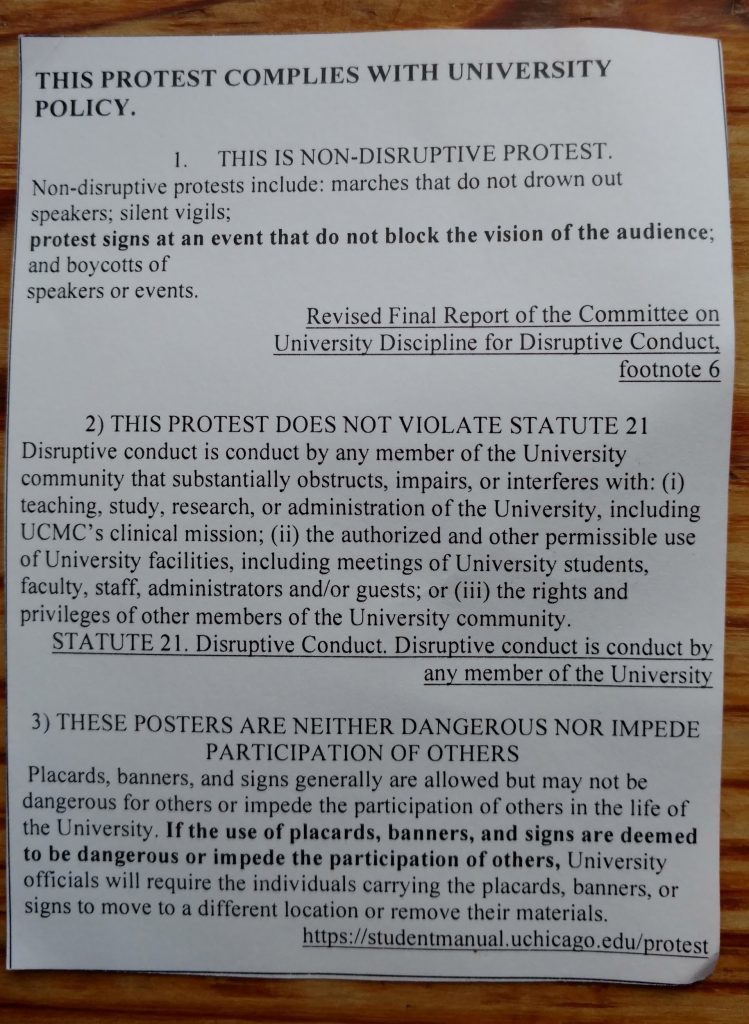
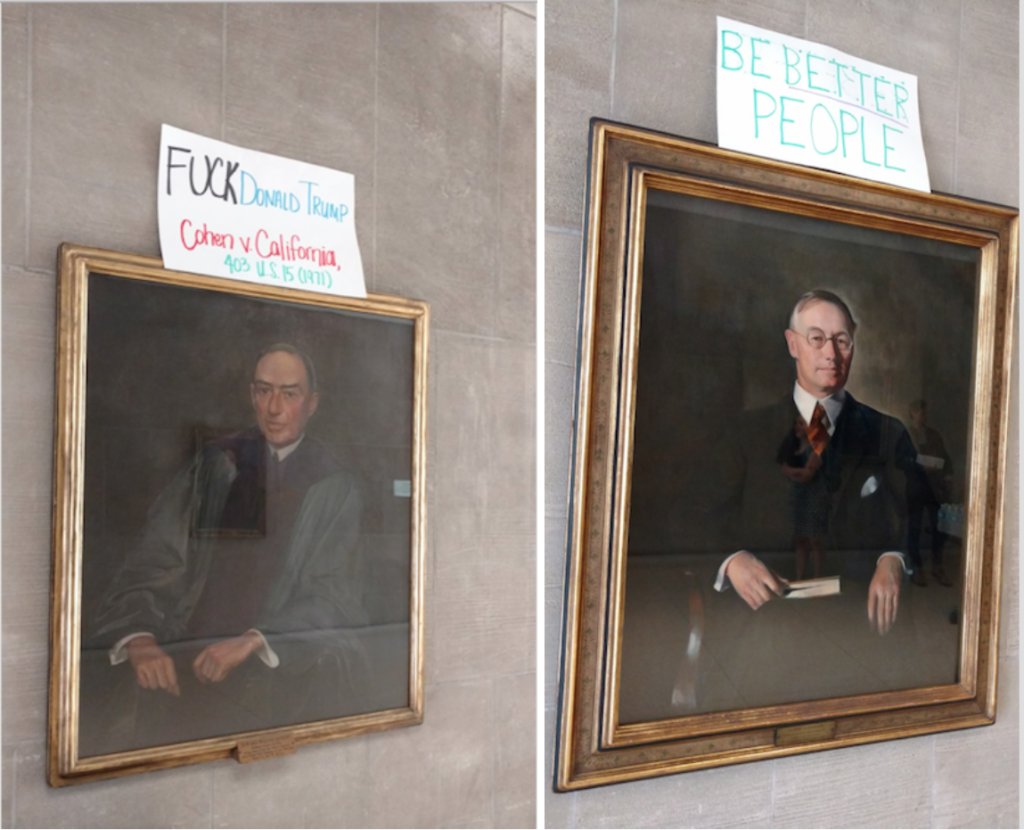
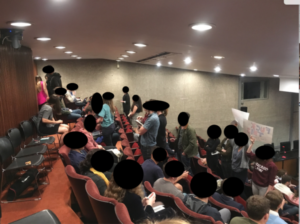 The Chairman of the Burke Society is now the new President of the Federalist Society, an unsurprising development given the almost complete overlap between these sets of student organizations. Other students saw this awards ceremony as another attack on the same targets: undocumented, Muslim, immigrant and LGBTQIA people who suffer as a result of Francisco’s insistence on defending the indefensible. However, the Federalist Society wanted to learn his tactics and normalize his advocacy. Upon the introduction of Francisco to the audience, approximately half of the students in the courtroom stood to turn their backs. Harried law school administrators asked students to lower their posters lest they obstruct the views of the audience. Some explained that they posed no obstruction, and remained standing.