NLG CHICAGO

  • About
    • Our History
    • Joining the NLG
    • History
    • Elections
    • Documents
      • Constitution
      • NLG Chicago Bylaws
    • Foundation
  • Programs
    • Committees
    • Criminal Defense for Activists
    • Law School Chapters
      • (Dis)Orientation
      • Chicago-Kent
      • DePaul
      • John Marshall
      • Loyola
      • Northwestern University
      • University of Chicago
    • Legal Observer Program
    • Mentorship Program
  • Know Your Rights
  • News
  • Events
  • Donate

March 22, 2017 by Admin

New Anti-Protesting Legislation: A Deeper Look

By Traci Yoder, NLG Director of Research and Education

In recent weeks, multiple articles have pointed to the wave of new anti-protesting bills introduced in state legislatures since the end of 2016. The Intercept, Washington Post, AlterNet, Democracy Now!, and other news outlets have provided overviews of the types of bills under consideration, the potential chilling effect on protests, and the unconstitutional nature of these measures. Because NLG has a long history of protecting the right to dissent, we offer the following summary and observations based on decades of experience providing legal support to social movements and monitoring the policing of protests.

The current round of legislation—introduced by Republican lawmakers in 19 states—attempts to criminalize and penalize protesting in various ways. Many states are drafting bills to increase fines and jail sentences for protesters obstructing traffic (Minnesota, Washington, South Dakota, Indiana, Florida, Mississippi, Iowa), tampering with or trespassing on infrastructure such as railways and pipelines (Colorado, Oklahoma), picketing (Michigan, Arkansas), wearing masks (Missouri), or refusing to leave an “unlawful protest” (Virginia). Particularly alarming are bills removing liability from drivers who “accidentally” hit and kill protesters (North Dakota, Tennessee, Florida). A bill in Indiana initially instructed police to clear protesters from highways by “any means necessary.” Other legislation has proposed labeling protests as “economic terrorism” (Washington, North Carolina), charging costs of policing to protesters and organizers (Minnesota), allowing businesses to sue individuals protesting them (Michigan, Colorado), and using anti-racketeering laws to seize assets of protesters (Arizona). A bill in Oregon would require public community colleges to expel students convicted of participating in a “violent riot.”

Some articles portray the recent increase in legislation targeting protesting as a result of the large and almost daily demonstrations since the inauguration of Donald Trump; however, others are careful to note that this trend began before Trump took office. Bills in Washington, Minnesota, Michigan, and North Dakota (some of the earliest) were clearly introduced as a direct response to the labor movement to raise the minimum wage, the resistance by Indigenous water protectors at Standing Rock, and demonstrations that erupted in relation to police killings as part of the Black Lives Matter movement.

While this trend of targeting protesters began before Trump, the current conditions are favorable to repression of First Amendment activity. Taken together, Trump’s three executive orders on policing, the large number of state legislatures dominated by Republicans, the pro-policing and pro-business attitude of the current administration, and the constant and growing spontaneous demonstrations protesting Trump all combine to produce an atmosphere in which many powerful interests have a stake in suppressing mass dissent.

Journalists, lawyers, civil liberties experts, and Democratic lawmakers have addressed the problems with these bills: the criminalization of peaceful protests, the chilling of dissent, the fact that penalties for these actions already exist, and the decidedly unconstitutional nature of the proposals. As a result, several bills have already been rejected, including those in Michigan, Virginia, and Arizona. However, many still remain under consideration, and those with an interest in protecting the right to dissent must be vigilant about tracking and vigorously opposing the remainder.

Disturbing Trends

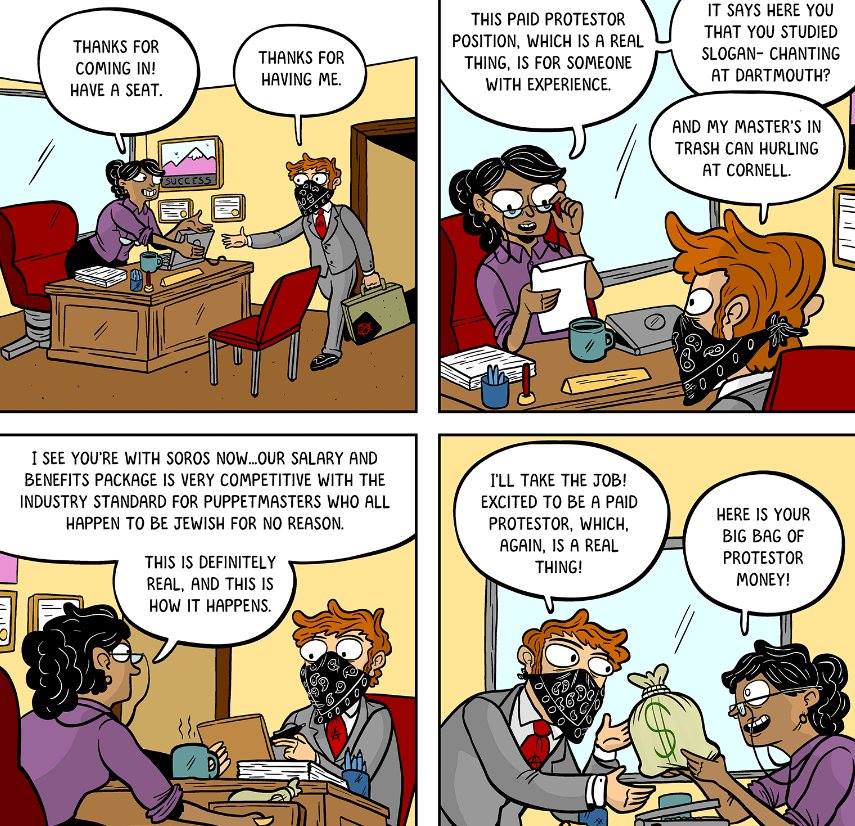
Some disturbing trends are emerging which are related to false assumptions about protesters upon which the legislation is premised. Arizona’s SB1142, for example, was explicitly based on the claim that protesters are paid to be in the streets. The myth of the “paid protester,” which has been codified in police training manuals and the rhetoric of Trump, has long existed. To seasoned activists the idea of paid/professional protesters is mostly seen as a joke, but the politicians introducing these bills are deadly serious.

The myth of paid protesters is almost always tied to the figure of billionaire George Soros, who is regularly accused of being the one issuing these fictive paychecks. While Soros’ Open Society Foundation does offer grants to individuals and organizations to work on specific projects related to civil liberties and criminal justice reform, there is no evidence that he has ever paid protesters to be in the streets. Yet while introducing SB5009, Washington Senator Doug Eriksen specifically named Soros, as well as the Sierra Club, as intended targets of the legislation. Another protest myth is clearly behind one measure in Georgia’s package of pro-policing laws—SB160 creates a new felony offense for protesters who throw “human or animal excreta” at police during demonstrations (a claimed occurrence that has often been cited in policing manuals and yet has no evidence to back it up).

In addition to the alarming trend of legislation punishing people with significant imprisonment and fines based on claims with no supporting evidence, these bills are also attempting to redefine the meaning of “riot” to allow more actions to fall under this category and to link protesting to terrorism. Arizona’s proposed bill would have expanded the state’s racketeering laws to include rioting under organized crime, and redefined rioting to include any acts of property destruction. Washington’s bill re-conceptualizing protests as acts of “economic terrorism” is another example of how non-violent protests are being re-classified as serious threats that deserves severe punishment.

Historical Precedents

The recent surge of legislation targeting protesters and protest organizers is not the first time state legislators have attempted to neutralize and punish effective protests. The Animal Enterprise Terrorism Act (AETA) was proposed in 2003 and passed by Congress in 2006. The initial proposal was followed by a series of similar but far more extreme bills at the state level. AETA ostensibly protects animal enterprises by creating the concept of “eco-terrorists”—animal and environmental activists who successfully cause a financial threat to businesses profiting from animals. This legislation explicitly tied protesting to “terrorism”, and led to the imprisonment of animal rights activists who had done nothing more than administer a website.

After AETA was introduced, the conservative organization known as the American Legislative Exchange Council (ALEC) produced model legislation for the state level, expanding on AETA to further erode Constitutional rights and heavily punish animal rights and environmental protesters. ALEC’s structure and purpose is designed to help corporate representatives craft model bills that are then introduced by conservative lawmakers in multiple state legislatures simultaneously. The organization came to the public’s attention most noticeably five years ago when it was discovered that they were behind the “Stand Your Ground” legislation used to justify the murder of Trayvon Martin.

The NLG analyzed and described valuable lessons learned through the examples of AETA and ALEC. First, it is important to note that none of the proposed legislation was ever passed at the state level. However, it is just as crucial to keep in mind that Republican lawmakers did not stop there. Instead, they moved to an incremental approach that inserted key provisions of the failed bills into other legislation, for example by using specific language in other bills (like ecological terrorism) or including the same penalties for a more limited number of offenses than the original bills. As we watch this new round of anti-protesting bills, we must keep this lesson in mind and consistently fight all attempts to pass unconstitutional and punitive legislation.

Moving Forward

Many of these bills are so obviously unconstitutional, or based on such false premises, that they are unlikely to pass. Indeed, many have already failed. Others have been sent back to committees for revisions to make the bills more palatable to lawmakers and the general public. As we saw from the AETA/ALEC example, we should expect to see parts of these bills introduced elsewhere should they fail in their current form.

The fact that so many similar bills have been introduced—combined with the spate of news articles that do not always highlight that these are proposed bills that have not yet passed—creates an atmosphere of confusion and fear. The knowledge that these bills are being considered in many state legislatures, regardless of their status, is likely to have a chilling effect on dissent. Few people would be as willing to protest if they thought they could easily be arrested, fined, imprisoned, or even killed. The lack of clarity over where bills stand in the legislative process, the likelihood they will pass in their current forms, and the actual consequences if they do is already enough to cast doubts among those who intend to protest.

Civil liberties advocates are clearly questioning which individuals or interest groups are behind this wave of legislation all targeting mass protests and the right to dissent at the same moment. Given its past experience in pushing conservative model legislation, ALEC would be an obvious suspect. While there is no indication that anti-protest legislation is on ALEC’s current agenda, it is worth noting that the kinds of protests being targeted are all in conflict with ALEC’s anti- worker and anti-environmental platform. However, the model legislation strategy introduced and perfected by ALEC is at this point a commonplace and well-absorbed pattern that does not necessarily need formal organization from above. It could be enough for lawmakers to simply copy or adapt legislation already introduced in other states. Another possible organizing force behind such legislation are police unions, and the coordinated efforts of law enforcement as exemplified in the Police Executive Research Forum. Given the pro-policing approach of the Trump administration, it would be unsurprising if law enforcement organizations prioritized criminalizing protest activity.

As civil and human rights advocates face the challenges of the new administration, it is imperative to not be demoralized or frightened into ceding the streets in the face of legislative attempts to curb mass protest. We must instead continue to organize and to keep a close watch on these bills as they emerge in state and federal legislatures, and to push back at every level. Public outcry and widespread criticism against the Arizona bill, for example, led the Republican speaker of the house to drop the legislation. Together we have the power to challenge and stop these bills before they are passed into law. Now more than ever, we must protect our right to dissent publicly and to disrupt business as usual. At very least, these bills indicate that protesting has certainly become a threat again.

Related:
  • Policing in Trump’s America: Notes for J20 and Beyond
  • Report: An Analysis of the 2012 RNC and DNC

Filed Under: Blog, Featured Articles, Legal Observers

March 22, 2017 by Admin

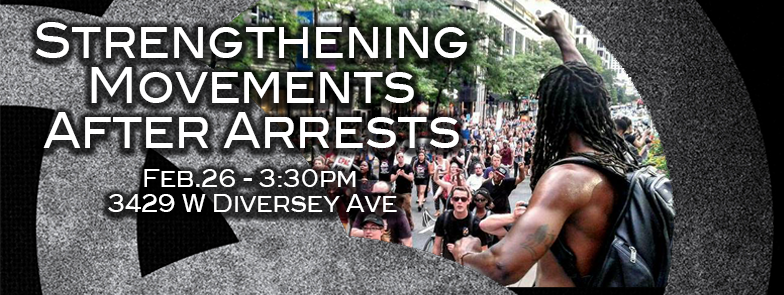
Strengthening Movements After Arrests

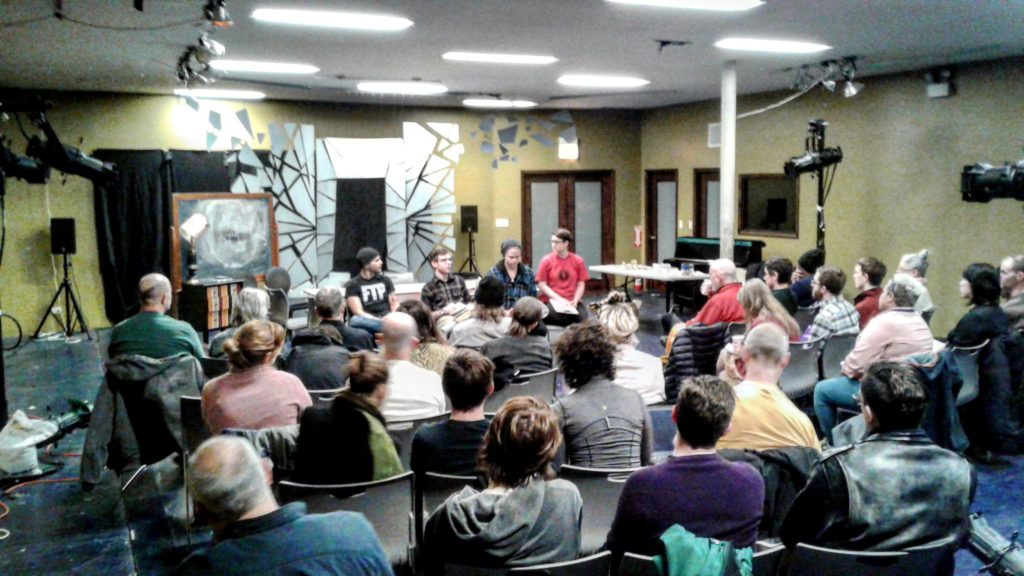
Members of NLG Chicago, Chicago Action Medical, and Tilted Scales Collective discussed ways of strengthening radical/revolutionary struggle and improving community self-defense when faced with criminal charges and the ravages of the prison-industrial complex. This event held on February 26, 2017 was inspired by the newly published book “A Tilted Guide to Being a Defendant,” written by Tilted Scales Collective to help radicals figure out how to handle serious criminal charges in ways that strengthen movements rather than allowing the state to use them to disrupt and destroy our movements.

Tilted Scales Collective wrote “A Tilted Guide to Being a Defendant” after noticing that the state is highly skilled in using criminal charges to neutralize, disrupt, and destroy radical/revolutionary social movements–-and that most defendants are ill-equipped to handle those charges in ways that advance their struggles. They reached out to around 100 people across the country, including current and former political prisoners/prisoners of war, to provide radicals with the best tools and insights for fighting criminal charges while continuing their struggles. You can download a free e-book of the Tilted Guide to Being a Defendant at the link here!


Participants:
Jude has been involved in anarchist legal support organizing and prisoner support since he joined a legal collective in Minneapolis prior to the 2008 RNC. Since then, he has been part of many legal support efforts ranging from local one-off direct actions to summits such as the RNC/DNC, NATO, and G20. He has also been involved in defense committees for numerous prisoners across the country. Jude helped form Tilted Scales Collective after an Anarchist Black Cross conference in 2012. In 2016, he took on the position of chair of the Mass Defense Committee with the National Lawyers Guild, through which he helps with legal support efforts at protests and uprisings across the country.

Brent Betterly was arrested and charged in connection with an elaborate conspiracy authored by the Cook County State’s Attorney’s Office during the 2012 NATO summit in Chicago. The case was later revealed to be a part of a larger effort by CPD to infiltrate and criminalize the anarchist community in Chicago. He was acquitted of several state-level terrorism charges and served three years of a six year prison sentence for possesion of incendiary devices, which were also revealed to have been manufactured and planted by CPD. Brent is an activist involved in organizing around antifascism and prisoner support work.

Members of Chicago Action Medical (CAM) were present to discuss their work locally and at other actions and uprisings around the country. CAM is a group of volunteers who are trained in basic first aid and has been working in Chicago since 2002, providing medical support at direct actions for social change. Free grassrooots medical care at protests is a tradition going back centuries worldwide. CAM also frequently holds down jail support in Chicago. Read more about CAM’s work: https://chicagoactionmedical.org/.

Volunteers with NLG Chicago and Chicago Community Bond Fund also shared information about and reflections on our existing infrastructure for supporting movements in Chicago.

Also, please consider writing to, sending books to, or supporting with commissary funds Jay Chase, the NATO 3 prisoner still inside. Updates are at Free the NATO 3, and you can write to Jay here:
Jared Chase M44710
Pontiac Correctional Center
PO Box 99
Pontiac, Illinois 61764

More resources from Tilted Scales: Free access to the zine and book are available at titledscalescollective.org and you can request a copy of the Prison Activist Resource Center resource list be sent to prisoners via prisonactivist.org.

Follow Chicago Action Medical‘s Facebook page to learn about their upcoming street medic trainings. CAM is also available to do health and safety trainings for organizations that request them!

For more information on our work, and follow the NLG Chicago Legal Observer Program page and our twitter account.

You can also connect with Chicago Community Bond Fund, Chicago Anarchist Black Cross, and Chicago General Defense Committee via their pages.

Filed Under: Blog, Events, Featured Articles, Legal Observers

March 16, 2017 by Admin

Legal Community Strikes Back on 2/17

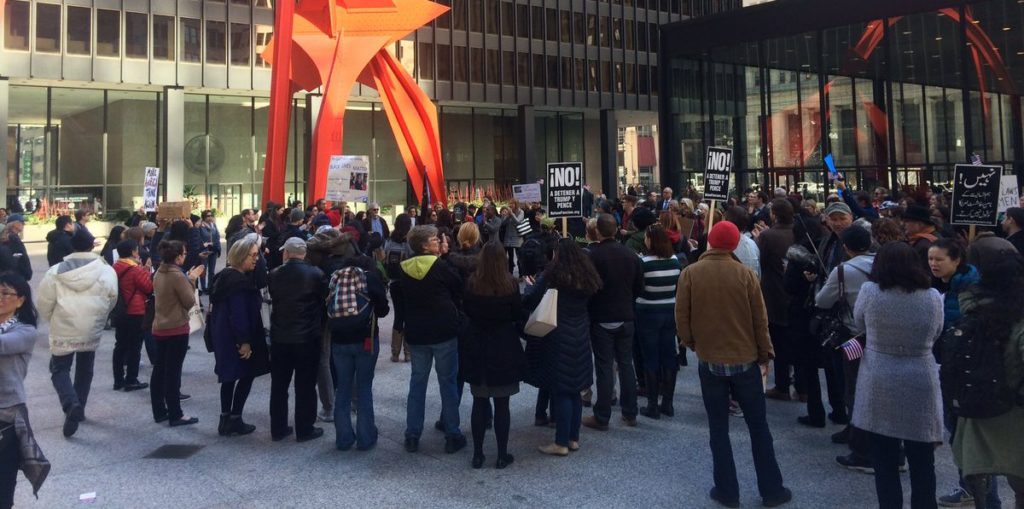
The National Lawyers Guild (NLG) organized a day of action for the legal community to express our solidarity with the growing movements against the new regime and its white supremacist agenda. On February 17 at noon, lawyers, legal workers, law students, and law professors gathered in front of the US District Court in Federal Plaza along with other actions around the country in coordination with the nationwide #GeneralStrike planned for the same day.

“We are facing unprecedented attacks on our most fundamental human rights and are seeing the unfolding of authoritarianism before our eyes. The legal community has no choice but to show up, to defend our communities and to fight back by holding our institutions accountable,” said NLG President and LatinoJustice PRLDEF Associate Counsel Natasha Lycia Ora Bannan.

In the three weeks since Donald Trump has taken office, we have seen a flurry of executive orders targeting immigrants and intensifying law enforcement; racist, unqualified millionaires appointed to the nation’s highest positions; assaults on the press, and “alternative facts” presented as truth. However, we have also witnessed communities engaging in profound organizing and direct action—from the streets to airports and schools—to reject the current administration and disrupt business as usual. On February 17, we’re taking the resistance to courthouses.

“It is crucial for the legal community to come together to provide support for resistance movements against the current administration. We must fight back against the legitimization of racial and religious bigotry, xenophobia, Islamophobia and misogyny that violate the core principles of democracy,” said NLG Executive Director Pooja Gehi.

The speakers at the rally were:
Dima Khalidi, Palestine Legal
Joey Mogul, People’s Law Office
Max Suchan, NLG Chicago’s Mass Defense Committee
Nieves Bolanos, Potter Bolanos
Vickie Casanova Willis, FDLA
Ben Meyer, FDLA
MiAngel Cody, The Decarceration Collective
Diane O’Connell, Chicago Coalition for the Homeless
Megan Davis, Northern Illinois Justice for our Neighbors
Lam Nguyen Ho – CALA


.@FirstDefense606: the most important words you need to know! #LawStrikesBack pic.twitter.com/ryHYLzy4D3

— Palestine Legal (@pal_legal) February 17, 2017


Dima Khalidi speaking truth to power #LawStrikesBack pic.twitter.com/coZegrmhjE

— Palestine Legal (@pal_legal) February 17, 2017


The Chicago rally was co-sponsored by:

People’s Law Office
Palestine Legal
Thedford Garber Law
CALA (Community Activism Law Alliance)
Uptown People’s Law Center
American Constitution Society JMLS Student Chapter
Potter Bolaños LLC
Northern Illinois Justice For Our Neighbors
Chicago Coalition for the Homeless
First Defense Legal Aid
The Decarceration Collective
National Conference of Black Lawyers – Chicago Chapter

For more photos check out: https://www.facebook.com/events/1915782851969046/

For more info, read the Chicago Daily Law Bulletin article on the event here.

Filed Under: Blog, Events, Featured Articles, Media, Next Gen

March 16, 2017 by Admin

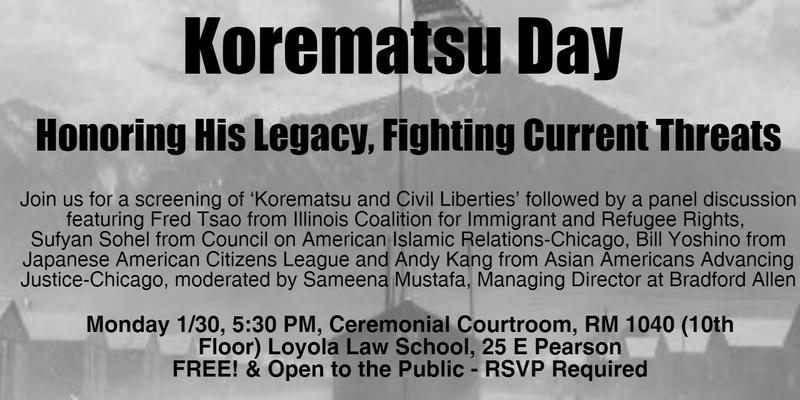
DePaul & Loyola Host Korematsu Day Events

In 1942, Fred Korematsu resisted detainment under an executive order that placed Japanese Americans in internment camps through the western and southwestern United States. Two years later, Fred courageously challenged his internment before the United States Supreme Court. Tragically, the Court upheld the internment order. However, almost 40 years later, Fred, his attorneys, and community activists prevailed before the Northern District of California federal court reversed Korematsu’s conviction under the internment order. The court held that the government knew that no military necessity had justified the internment, but lied about this before the Supreme Court. On the day his case was to be decided, Fred stated: “I would like to see the government admit that they were wrong and do something about it so this will never happen again to any American citizen of any race, creed, or color.”

The Loyola University Chapter of the NLG hosted a celebration of Korematsu Day and a discussion of how Fred’s legacy informs the current fight on January 30. The film ‘Korematsu and Civil Liberties’ was screened, followed by a panel discussion featuring Fred Tsao from Illinois Coalition for Immigrant and Refugee Rights Sufyan Sohel from Council on American Islamic Relations-Chicago, Bill Yoshino from Japanese American Citizens League and Andy Kang from Asian Americans Advancing Justice-Chicago, moderated by Sameena Mustafa, Managing Director at Bradford Allen

The Loyola event was co-sponsored by the Loyola chapters of the Asian Pacific American Law Students Association, Latino Law Student Association, Black Law Student Association, Immigrant Rights Coalition, Women Law Students, Muslim Law Students Association, Public Interest Law Society, Cultural Impact Initiative, and American Constitution Society.

On Wednesday, February 22, 2017 the DePaul Asian Pacific American Law Students Association hosted a Special Screening “Of Civil Wrongs & Rights,” followed by a Panel Discussion in honor of Fred Korematsu. Panelists discussed the historical background of the Japanese American internment camps and how that experience relates to current civil rights issues faced by the nation today.

The event was hosted by the National Lawyers Guild-Chicago (NLG-Chicago), Asian Americans Advancing Justice-Chicago, Japanese American Citizens League, Council on American Islamic Relations-Chicago, Asian American Bar Association of Chicago (AABA), Chinese American Bar Association of Chicago (CABA), Arab American Bar Association of Illinois (AABAR), Filipino American Lawyers Association of Chicago (FALA). The DePaul Student Org Co-Sponsors were: Asian Pacific American Law Students Association, ILS, MLSA, NLG, SAIL

Filed Under: Blog, DePaul, Events, Featured Articles, Law Schools, Loyola

March 2, 2017 by Admin

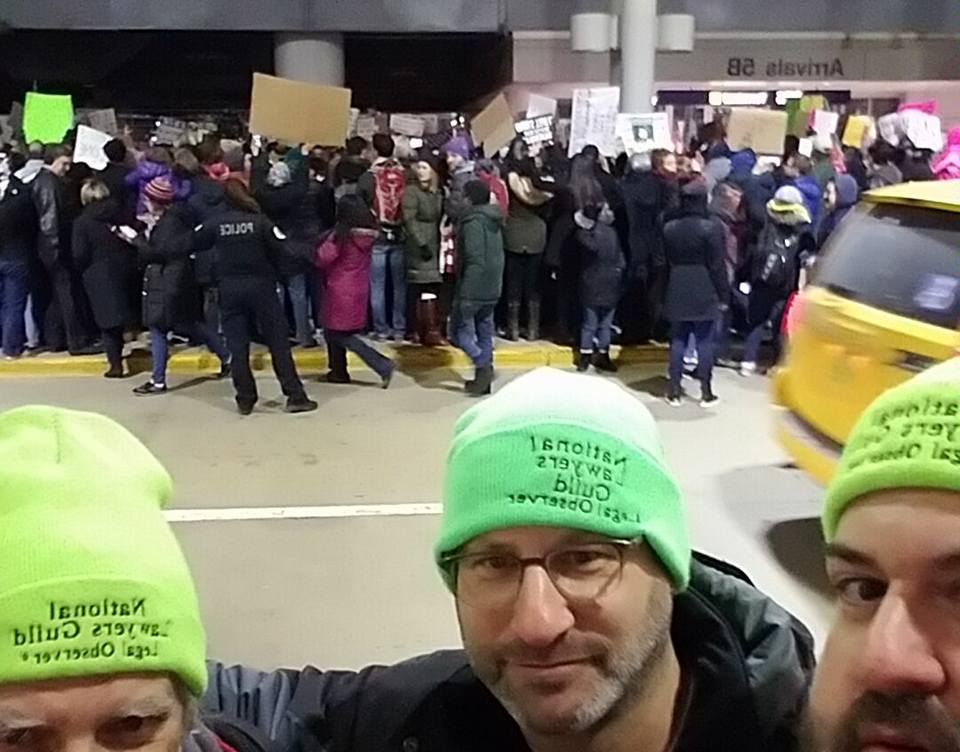
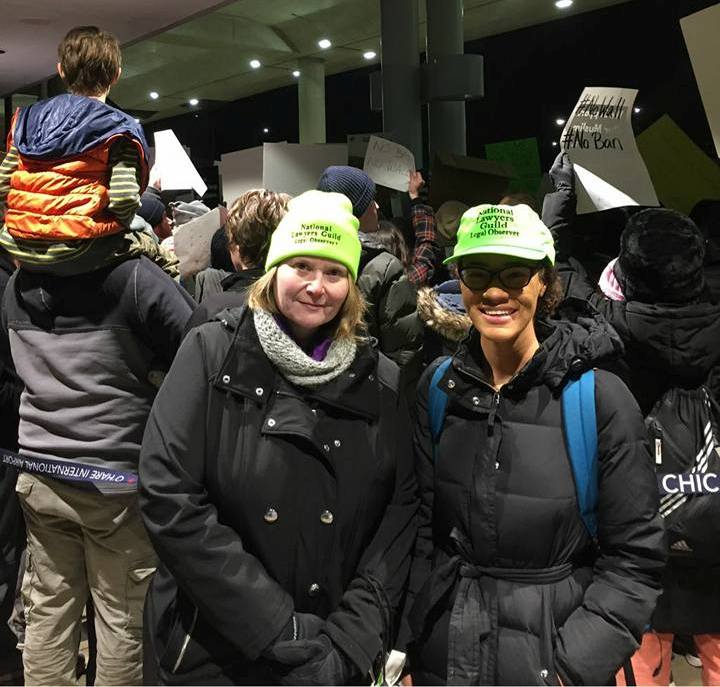
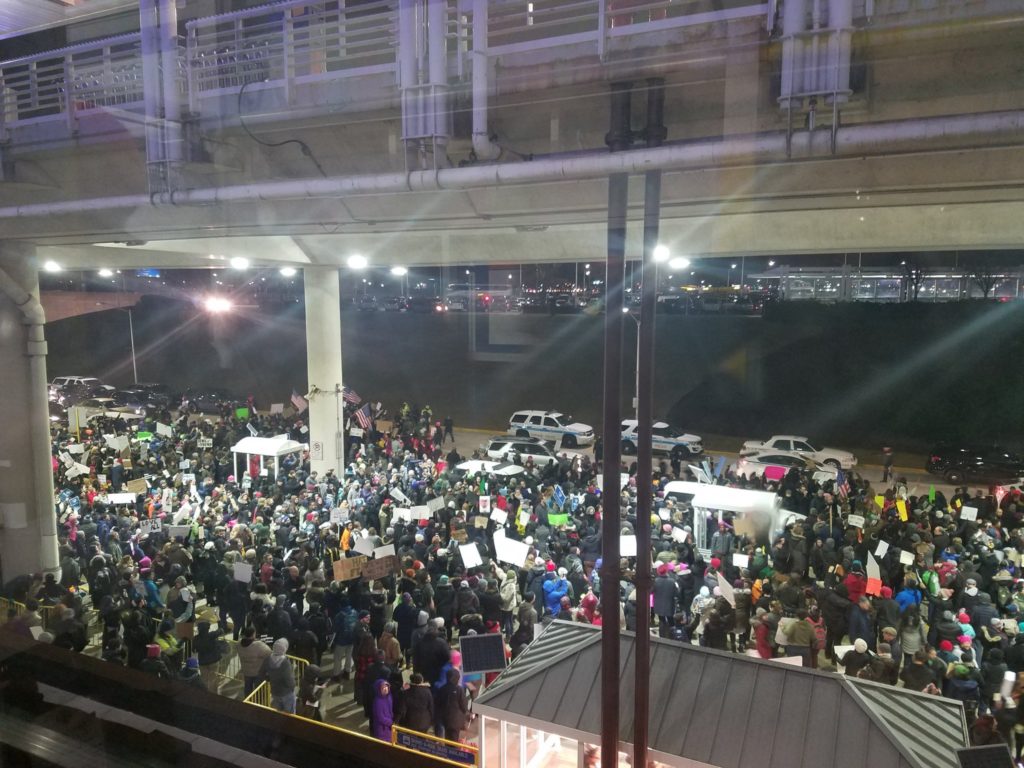
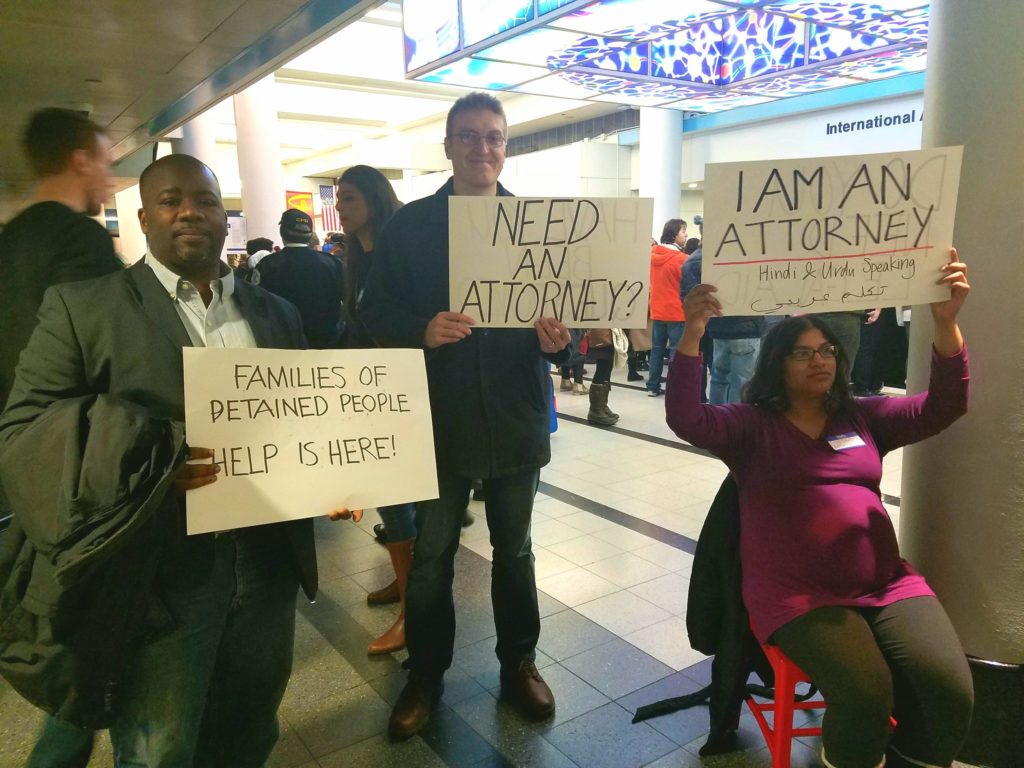
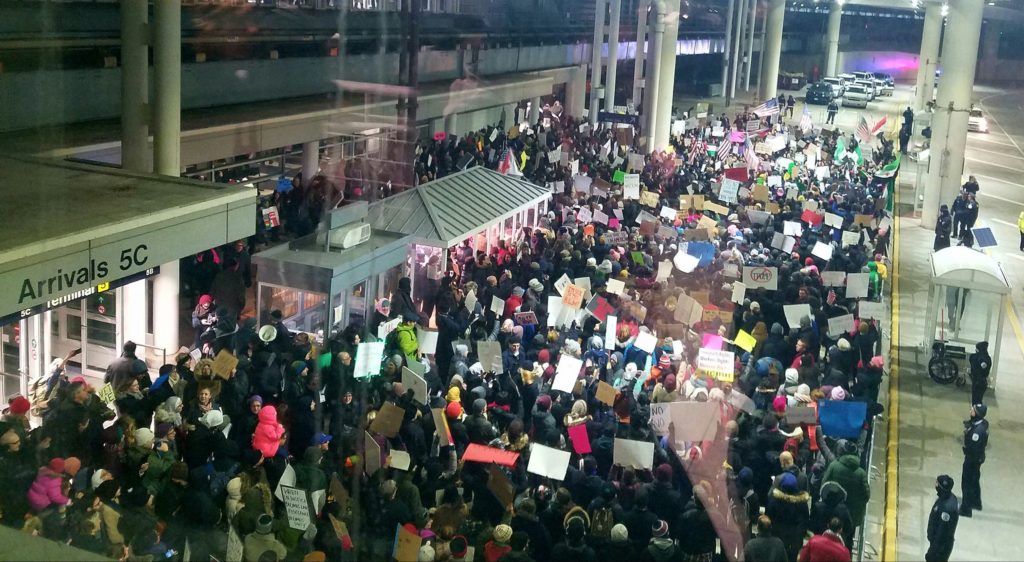
Chicago LO’s Support O’Hare Muslim Ban Protests

The Chicago Legal Observer Program was proud to support the nearly two thousand people resisting the Muslim Ban at O’Hare the nights of January 28 and 29 with the presence of a dozen Legal Observers.


The Chicago NLG also wants to highlight the work and presence of the Arab American Action Network, Jewish Voice for Peace-Chicago, and Northern Illinois Justice for Our Neighbors.

We salute all the attorneys, interpreters, & legal workers who generously volunteered to help people impacted by the Muslim Ban.

You can email Chicago.LO.Program(a)gmail.com to get involved with the NLG Chicago Legal Observer Program.

Filed Under: Blog, Featured Articles, Legal Observers

March 2, 2017 by Admin

Chicago LO Program Featured on CDLB

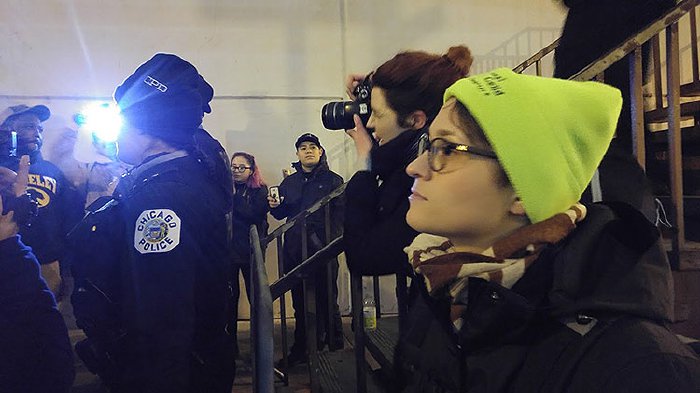
Thanks to the Chicago Daily Law Bulletin for profiling our NLG Chicago Legal Observer Program in this article! “The [green] hat marked [Sharlyn Grace] as a legal observer for the National Lawyers Guild, an association for progressive attorneys and jurists [and law students and legal workers]. Legal observers monitor and record police activity during protests and demonstrations to see if protesters’ First Amendment rights are being respected.

‘[M]ass mobilizations of people are part of progressive social change, that people having the ability to be safely in the streets, the ability to gather in dissent, is crucial for the sort of social change we want to see. It’s not going to be made by law and policy changes taking place in downtown by policy experts and attorneys,’ said Grace….”

Read more here:

Keeping a legal eye on demonstrations

Filed Under: Blog, Featured Articles, Legal Observers

March 2, 2017 by Admin

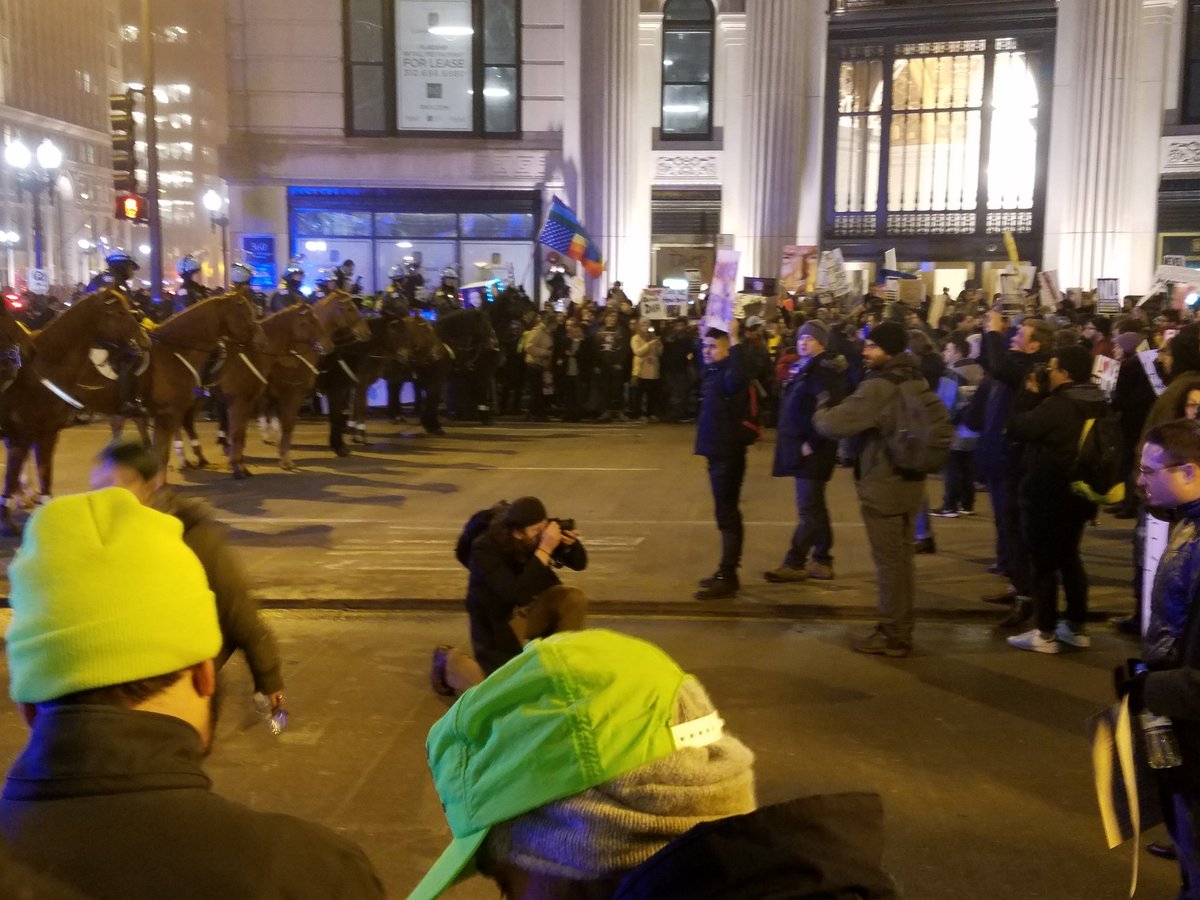
Chicago MDC and LO Programs Support J20 Protests

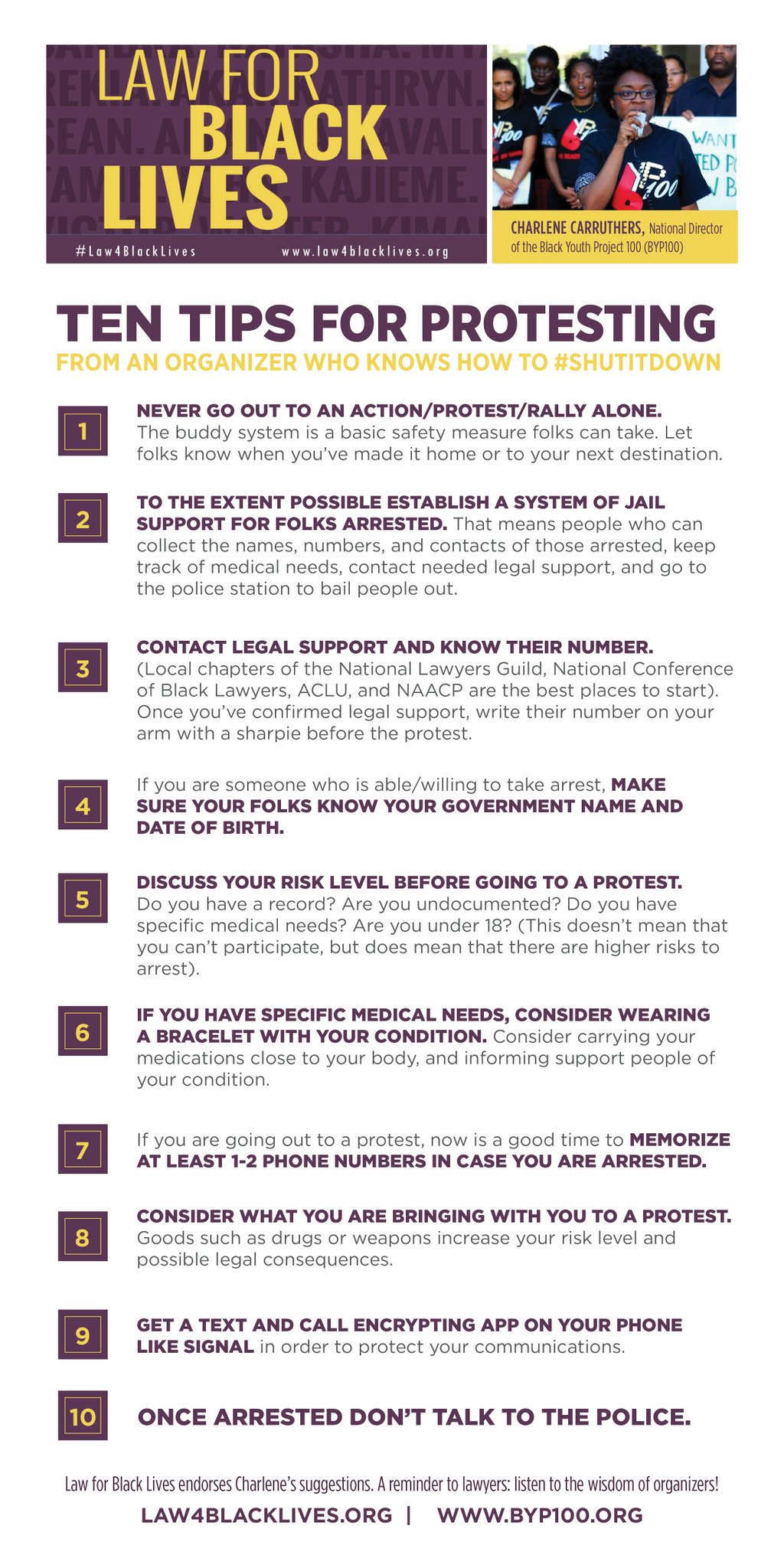
Our Mass Defense Committee and NLG Chicago Legal Observer Program volunteers were out in force January 20 and 21, 2017 to support people in the streets protesting Trump’s agenda. For future protests and rallies, read and share these tips by Charlene Carruthers of BYP 100 generated by Law for Black Lives, and write down the legal support contacts in your city.

In Chicago, if you have information about someone arrested, remember to please call our hotline at 312-913-0039 and press “0” when the voicemail answers.

We tracked a total of 15 arrested the night of January 20. Eleven people were released that night. Several were in police custody at CPD 18th Dist. (Larrabee & Division), and at least one at CPD 1st Dist. (18th & State).

Of the 3 people who were in custody, 1 had bond court January 21 at 1:30pm at 26th & California and were represented by NLG volunteer attorneys. They were given a $1,600 bond, the other arrestee was released without monetary bond. One other arrestee was held in CPD custody under investigation, but was released w/o monetary bond. Everyone whose name we had was accounted for.

Many thanks to the Chicago Community Bond Fund who posted the $1,600 bond of the final Chicago J20 protestor.

For news on the J20 protests in Washington D.C., check out:

Lawsuit Challenges DC Police Dept’s Unlawful Use of Chemical & “Less Lethal” Weapons, Felony Riot Charges on J20

Filed Under: Blog, Featured Articles, Legal Observers

March 2, 2017 by Admin

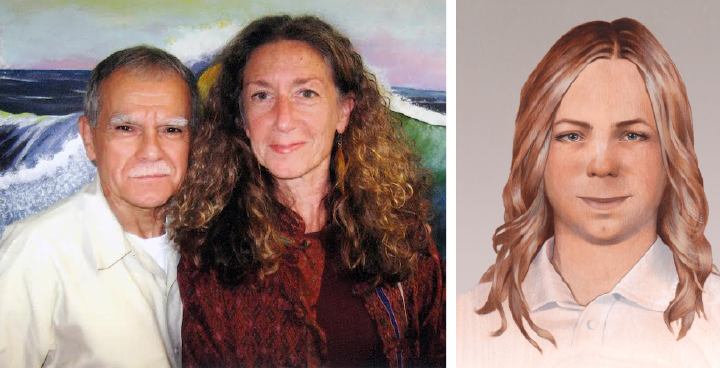
NLG Responds to the Commutation of the Sentences of Oscar López Rivera and Chelsea Manning

(Above, L-R: Oscar López Rivera with atty. Jan Susler; Portrait of Chelsea Manning by Alicia Neal.)

The National Lawyers Guild (NLG) is thrilled to learn of the commutations of the sentences of Puerto Rican political prisoner Oscar López Rivera and Army whistleblower Chelsea Manning, a victory due largely to the unwavering efforts of determined activists, organizers and family members. The NLG has long advocated for their release, as well as political prisoners Leonard Peltier, Mumia Abu-Jamal, Veronza Bowers, Dr. Mutulu Shakur, and others targeted and incarcerated for their political activity. While we were disappointed in the latter’s absence from President Obama’s commutation list, the NLG calls on him to exercise his power to pardon all political prisoners during these final days in office.

“While Chelsea’s freedom is long-overdue, we are gratified that she has been afforded some measure of delayed justice. There is no doubt that the tremendous outpouring of public support and organizing for commuting the sentence contributed to this outcome. Still, we remain critical of a government that seems more intent on prosecuting those who expose war crimes than those who commit them,” said Kathleen Gilberd, Executive Director of the Military Law Task Force of the NLG.

“The release of Oscar López Rivera after 35 years of unjust imprisonment represents a tremendous achievement for the people of Puerto Rico and those across the world who supported the campaign to release this freedom fighter. As the longest held Puerto Rican political prisoner, Oscar will now be able to join his family and community in his beloved homeland,” said López Rivera’s attorney and Guild member Jan Susler.

“The NLG has long supported Oscar’s release, as well as those of all Puerto Rican political prisoners and those who have been persecuted, tortured and killed for believing in, and fighting for, the independence of Puerto Rico. Today, there is an indescribable joy knowing that Oscar will soon be home, and that his freedom was secured by the persistence of the Puerto Rican nation who refused to let this injustice continue,” added NLG President Natasha Lycia Ora Bannan.

Filed Under: Blog, Featured Articles

March 2, 2017 by Admin

Federal Suit Challenges Chicago Police Use of “Stingray” Spying Devices

Attorneys for long-time National Lawyers Guild legal observer Jerry Boyle filed suit in federal court today to challenge the sweeping use of “Stingray” cell phone spying devices by Chicago Police.

The suit, which aims to be certified as a class action, alleges that the stingray devices are frequently used without warrants or any official guidance, indiscriminately sweeping up cell phone data from innocent people, including attendees at political rallies, demonstrations and other 1st Amendment-protected activities.

Stingrays have the power to obtain identifying information about cell phones, access the content of phone calls and texts made on the phone, reveal website browsing histories, and track a phone’s cumulative movements.

According to the suit, “CPD owns and operates an arsenal of cell site simulators with these intrusive capabilities,” spending over a half million dollars between 2005 and 2010 to obtain them. The devices typically can access cell phones located more than a mile away from them, and capture data from up to 60,000 phones simultaneously.

The suit alleges that the Chicago Police Department’s use of cell site simulators “is secretive and widespread…and [CPD] has long refused to disclose information about its use of cell site simulators to the public and fought attempts to obtain such records in the courts, choosing to conceal its use of the technology.”

“The City does not even maintain any policies or procedures on what its officers may do with the personal information seized from thousands of individual cell phones without a warrant. The City has also, as a matter of practice, refused to train its officers about constitutional issues associated with officers’ use of cell site simulators. In addition, the City has maintained a widespread practice of permitting its police officers to deploy cell site simulators without a warrant specific to each phone that is searched in the process, and has frequently failed to obtain warrants even for the phone of the target in question.”

The suit cites as an example of the illegal surveillance a January 15, 2015 “Reclaim Martin Luther King, Jr. Day” demonstration organized by Black Lives Matter protesters at which Boyle’s and hundreds of others’ cell phones were illegally surveilled.

“The people of Chicago should be able to exercise their First Amendment rights to freedom of speech, association, and assembly without being spied upon by police,” said Boyle. “Government spying on its citizens without appropriate judicial oversight is inconsistent with the freedoms guaranteed by the Constitution.”

“The Chicago Police Department can’t give its officers weapons that have the power to search and seize our most personal information without any instructions about how to use them,” said Craig Futterman, a Clinical Professor of Law at the University of Chicago Law School and one of the lawyers representing Mr. Boyle. “That’s like giving officers guns and telling them to go get the bad guys, without even teaching them how to shoot. We’ve recently seen how this lack of surveillance oversight has played out at the NSA, where employees abused surveillance tools to spy on their spouses.”

“Any surveillance of political groups is particularly troubling,” said Matt Topic of Loevy & Loevy Attorneys at Law, another of Boyle’s attorneys, “but there is no dispute that even when CPD has a valid basis to track a legitimate suspect, the technology results in a search of every other phone in the area to find the suspect. This is a violation of the Fourth Amendment rights of hundreds, if not thousands, of innocent bystanders every time it is used.”

Defendants named in the suit include former Police Superintendent Garry McCarthy and current Superintendent Eddie Johnson.

Besides Futterman and Topic, Mr. Boyle is also represented by Mike Kanovitz, Ruth Brown and Josh Burday of Loevy & Loevy Attorneys at Law.

Loevy & Loevy is one of the nation’s largest civil rights law firms, and over the past decade has won more multi-million dollar jury verdicts than any other civil rights law firm in the entire country. Last November, Loevy & Loevy successfully obtained the release of the dashcam video of Laquan McDonald’s shooting death at the hands of Chicago police.

The University of Chicago Law School’s Civil Rights and Police Accountability Project is one of the nation’s leading civil rights clinics focusing on issues of criminal justice. The mission of the Law School’s clinical programs is to teach students effective advocacy skills, professional ethics, and the effect of legal institutions on the poor; to examine and apply legal theory while serving as advocates for people typically denied access to justice; and to reform legal education and the legal system to be more responsive to the interests of the poor.

For further reading see:

Cell Phone Surveillance at Peaceful Protest Draws Lawsuit Against Chicago Police

Filed Under: Blog, Featured Articles, Media

March 2, 2017 by Admin

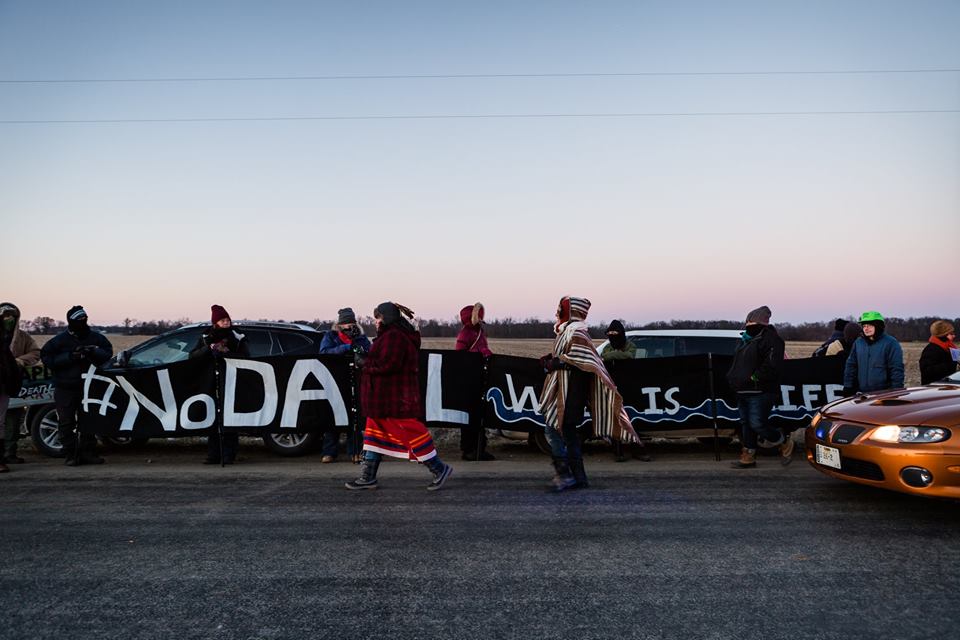
Chi NLG Supports American Indian Center in saying NoDAPL

Earlier this month, two NLG Chicago Legal Observer Program volunteers were proud to support leaders from the American Indian Center – Chicago and others in saying #noDAPL in Illinois! The pipeline is not yet complete in Illinois. Here is an article about the two arrests that occurred at that protest in Southern Illinois.

You can read more about it, here.

Photo by Adam Blaszkiewicz Photography.

Filed Under: Blog, Featured Articles, Legal Observers

  • « Previous Page
  • 1
  • …
  • 10
  • 11
  • 12
  • 13
  • 14
  • …
  • 28
  • Next Page »

Support the Movement

Help support the crucial work of the National Lawyers Guild Chicago by joining or contributing today.


Contact

637 S. Dearborn St., 3rd Floor
Chicago, IL 60605

chicago[@]nlg.org

© Copyright 2014 National Lawyers Guild Chicago · All Rights Reserved · Admin Login