NLG CHICAGO

  • About
    • Our History
    • Joining the NLG
    • History
    • Elections
    • Documents
      • Constitution
      • NLG Chicago Bylaws
    • Foundation
  • Programs
    • Committees
    • Criminal Defense for Activists
    • Law School Chapters
      • (Dis)Orientation
      • Chicago-Kent
      • DePaul
      • John Marshall
      • Loyola
      • Northwestern University
      • University of Chicago
    • Legal Observer Program
    • Mentorship Program
  • Know Your Rights
  • News
  • Events
  • Donate

December 18, 2017 by Admin

Charlottesville and Law Enforcement Investigations Into Social Movements

The statement below was written by individuals providing legal support to anti-racist and anti-fascist movements. It includes an update on law enforcement investigations into the incidents in Charlottesville. The statement also includes valuable advice regarding the risks of talking to law enforcement and why you should seek counsel from experienced movement attorneys if you are contacted by the FBI, local police or other law enforcement officers.


If you are in the Chicago area and are contacted by law enforcement regarding any political action, call the hotline for National Lawyers Guild of Chicago: 312-913-0039 and press “0”.


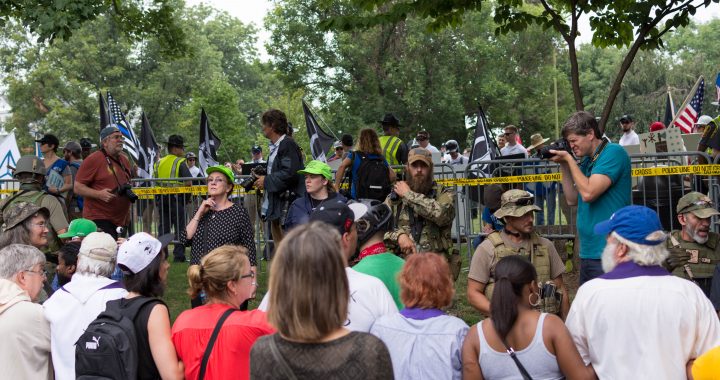
In the aftermath of this summer’s white supremacist rallies and attacks in Virginia, local and federal law enforcement are contacting anti-fascist and anti-racist activists and others who were in Charlottesville on August 11 and 12, 2017.

As of this writing (October 27, 2017) we are aware that state and local police (including the Charlottesville Police Department, Albemarle County Police Department, University of Virginia Police Department, and Virginia State Police) have contacted dozens of activists. We are also aware of two activists who have been contacted by federal law enforcement including the FBI. All of the activists contacted by law enforcement were injured either on the evening of August 11 at the University of Virginia campus or during the August 12 march in Charlottesville when a fascist rammed a car into the crowd. Law enforcement is telling all activists that the activists themselves are not the subject of the investigation, but that law enforcement would like to speak to them as victims and witnesses as part of an ongoing criminal investigation.

Everyone we have been in touch with directly has agreed to the above information being shared on their behalf in the interest of transparency and in the spirit of solidarity.

Many people have been calling for the state to prosecute fascists for the extreme violence, terror, and injuries inflicted on August 11 and 12. We recognize that in light of this some people may be considering sharing information with various law enforcement agencies for the purpose of prosecuting the fascists, and that some people have already done so. In this moment we would like to encourage everyone considering “helping” the state’s investigation of fascist violence get legal advice before deciding to talk to any law enforcement agents.

We suggest that people start from the presumption that any information shared with law enforcement will be used against other anti-fascists & anti-racist activists, and that everyone keep the following points in mind:

  • Law enforcement can lie about what the subject of their investigation is.
  • Law enforcement agencies do routinely share information with other agencies (for example, local police departments may share the substance of an interview with the FBI or with ICE).
  • In fact, inter-agency structures are in place to facilitate exactly this type of information sharing (for example, the Virginia Fusion Center: http://www.vsp.state.va.us/FusionCenter/index.shtm).
  • If you make statements now in order to assist police in the investigation and prosecution of fascists and the state later decides to broaden their investigation to include anti-fascist and anti-racist activists, you may be subpoenaed for more information. Refusing to comply with a subpoena later is more difficult (from a legal defenses perspective) if you have previously cooperated with law enforcement investigation efforts.
  • It is possible that a special grand jury either has been or will be convened to investigate anti-fascist and anti-racist actions and efforts surrounding the events in Charlottesville and elsewhere. Any and all information given to law enforcement deepens the reach of a grand jury investigation. Grand juries have historically been used as a tool to repress political movements.
  • Even simply confirming to law enforcement that you were present at an event on specific date or at a certain place can lead to further adverse actions against leftist activists and subpoenas to you for testimony and/or for access to your records (including electronic devices like cell phones and cameras) at a later stage.

We would like to remind everyone of your rights when interacting with law enforcement:

  • You are not required to speak with any law enforcement officer or agent.
  • You have a right to consult an attorney before talking to law enforcement or deciding whether or not to talk to them.
  • You have a right to have an attorney present while being questioned by law enforcement even if they tell you that you are not the subject of the investigation or if you volunteer to do an interview.

We recommend the following:

  • If you are contacted by law enforcement, simply get their name and contact information and firmly let them know that you do not want to speak with them at this time and that they will hear from your attorney.
  • If you do ultimately choose to share information with law enforcement, never discuss your political views or affiliations and never discuss anyone else in any way (including who else was present).
  • Remember that giving photo or video records to law enforcement that show other people does amount to confirming the whereabouts of other activists without their consent.

We also remind everyone that information shared with law enforcement will be used against other people in anti-fascist and anti-racist movements. Even seemingly innocuous details about where you were and at what time can end up being used against other people or simply to construct social maps of our communities. Sharing information can also inadvertently expose others to the type of right-wing harassment and doxing which have recently been so harmful to people in our communities.

For these reasons we recommend that no-one speak with law enforcement. If you have already done so, contact a lawyer as soon as possible for assistance moving forward. If you have been contacted by law enforcement and are considering speaking with them, don’t do it without first contacting an attorney to privately discuss these issues and to decide how to proceed. Always use attorneys who have experience representing members of political movements during criminal investigations or defending activists with criminal charges.

We also encourage people to continue to be transparent about these developments as they occur – secrecy leads to isolation and feeds fear, which are both harmful to solidarity.

This information is not the most up to date, but contains important information and resources.

Resources:

National Lawyers Guild (NLG) Know Your Rights materials:
http://www.nlg.org/know-your-rights/
Center for Constitutional Rights (CCR) If an Agent Knocks booklet:
https://ccrjustice.org/if-agent-knocks-booklet

Article by NLG Chicago member Michael Deutsch on the history of grand juries and how they have been used against political movements
http://peopleslawoffice.com/improper-use-of-federal-grand-jury-michael-deutsch-political-repression/

Freedom Archives background on how grand juries have been used against political movements in the past:
https://search.freedomarchives.org/search.php?s=Grand+Juries

For more on grand juries and the criminal legal process for activists in general we recommend:
A Tilted Guide to Being a Defendant
https://tiltedscalescollective.org/full-book/

Filed Under: Blog, Events, Featured Articles, Legal Observers

December 15, 2017 by Admin

Highlights from DisO 2017

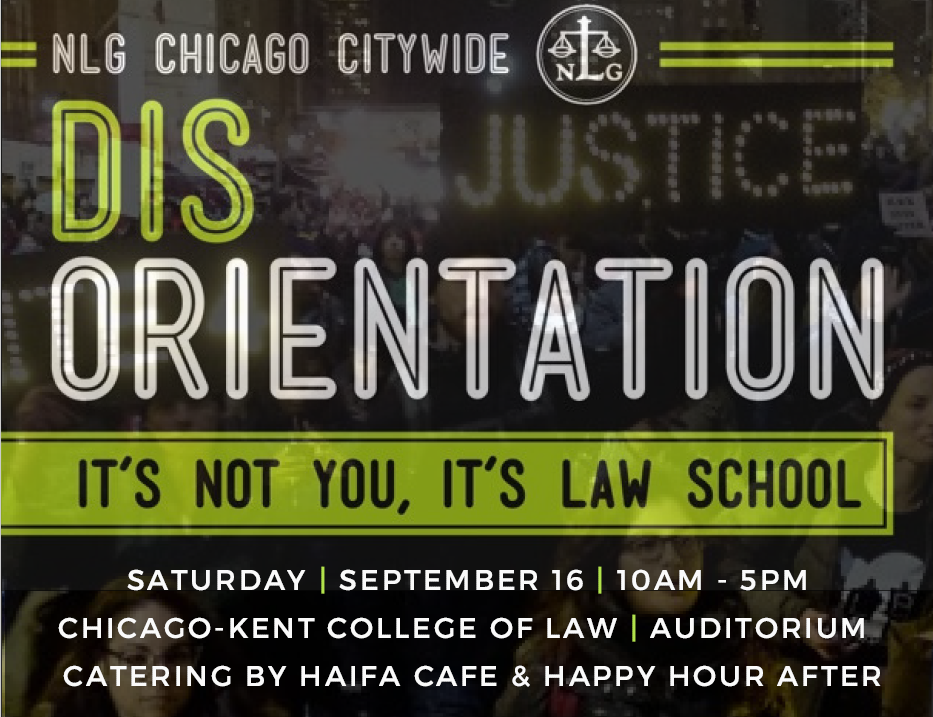
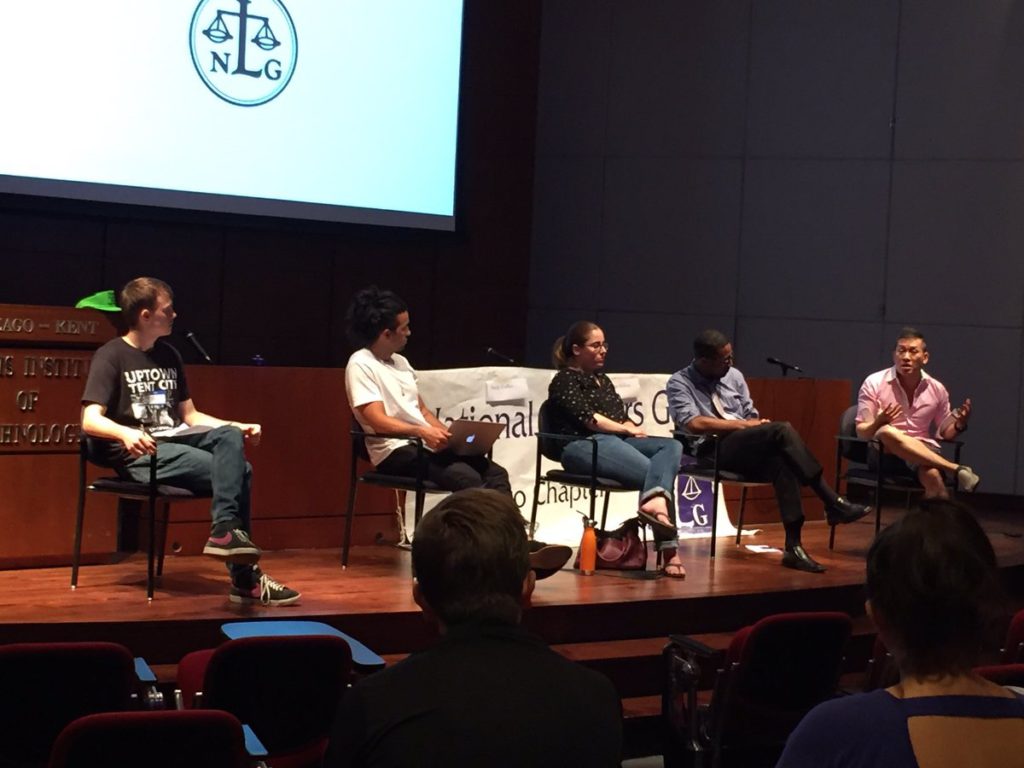
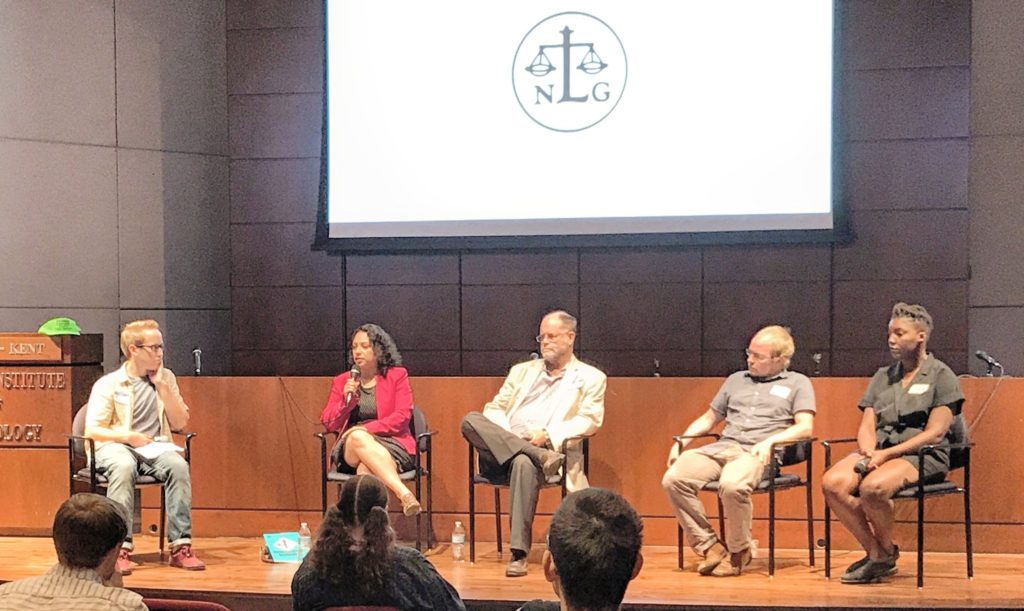
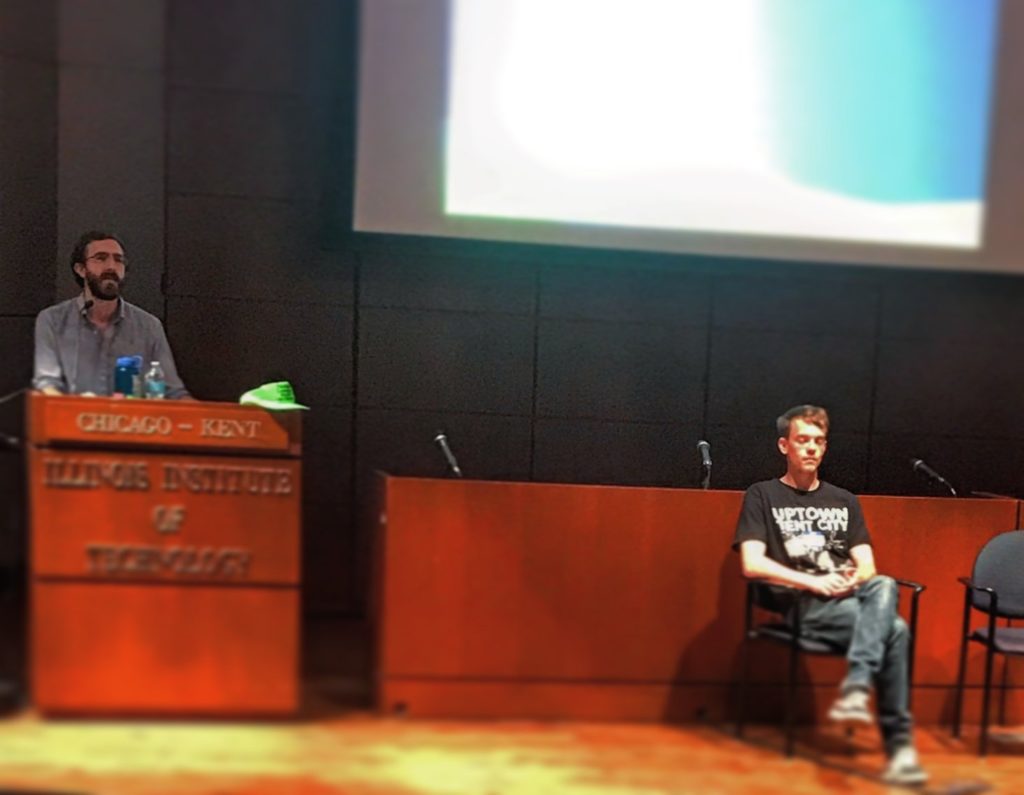
Dis-Orientation is an annual city-wide retreat for law students held by the National Lawyers Guild of Chicago. This year, Dis-Orientation was hosted by Chicago-Kent College of Law Chapter. The speakers for this year were lawyers and organizers with People’s Law Office, Chicago Community Bond Fund, Community Activism Law Alliance, First Defense Legal Aid, Uptown People’s Law Center, and other organizations.

Timothy Rose of People’s Response Team, Emily Coffey and Quinn Rallins of the Shriver Center, and Lam Ho of CALA speak what law in action looks like.

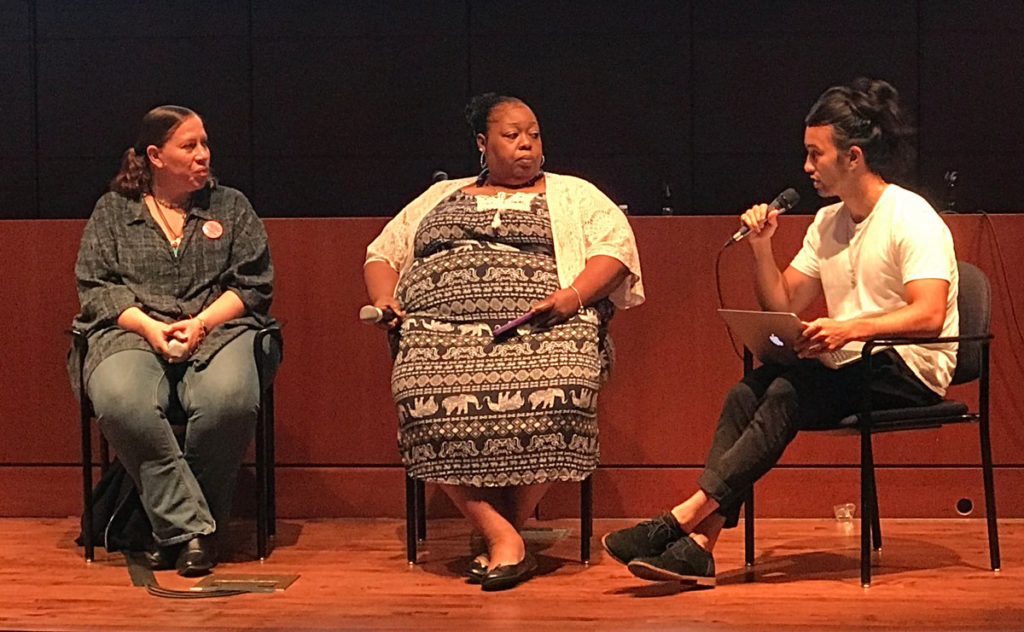
Lavette Mayes of CCBF and Monica Crosby of UPLC explained what lawyers need to do to be accountable to oppressed communities and liberation movements.

The panel on the role of policy was led by Lilian Jimenez, Chief of Staff for Commissioner Chuy Garcia, Alan Mills of UPLC, Max Suchan of CCBF and Samoane Williams of Raise the Floor.

The event was topped off with a Legal Observer training led by two experienced law student LOs from Kent Law School and John Marshall Law School.

Filed Under: Blog, Chicago-Kent, Events, Featured Articles, John Marshall, Law Schools, Legal Observers

December 6, 2017 by Admin

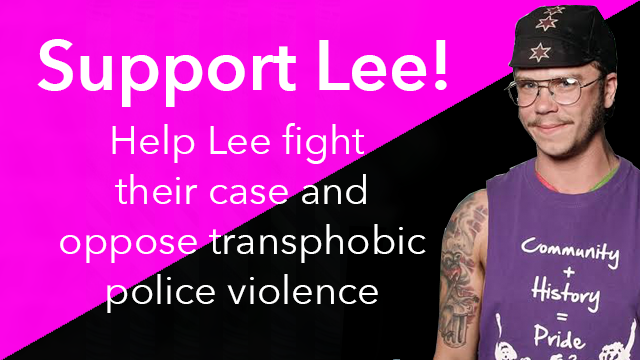
Slutwalk Marcher Lee Dewey Represented by Guild Lawyers Joey Mogul and Sara Garber

On Saturday, August 12, 2017, volunteers from the NLG Chicago Legal Observer Program observed five violent arrests at SlutWalk Chicago 2017. Four people were released that day, but Lee Dewey was held for bond.

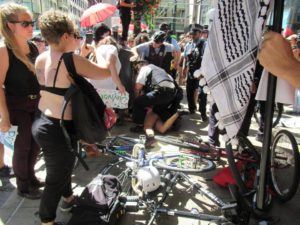
As reported on Lee’s fundraiser page, toward the end of the march, Chicago police officers on the scene arrested three organizers and placed them in a police wagon. The dozens of remaining participants, including Lee, were waiting on the sidewalk and demanding police release their friends. Suddenly, police moved in and Lee fell to the ground. Lee’s bicycle fell on top of them, and police piled on. While Lee was on the ground, a CPD officer stepped on Lee’s head and ground it into the pavement. Lee was then arrested, handcuffed, and taken to the 18th District Police Station.

As a result of their rough arrest, Lee sustained several injuries, including an open cut across their thigh. At the station, Lee alerted several police officers to their cut and asked for bandages so they could tend to themselves. Out of an abundance of caution and care for the safety of everyone, Lee informed those CPD officers that they were HIV+.

After Lee shared their HIV status, they were forcibly taken to Rush Hospital—despite the fact they did not consent to or desire such medical treatment. At the hospital, Lee was confronted by a CPD officer and a medical professional who demanded that Lee consent to have their blood taken. They told Lee that a CPD officer was claiming Lee bit their ankle and that there was video footage of the incident. Lee denied then and continues to deny they bit anyone, but felt coerced to give their consent to having their blood withdrawn because of their HIV+ status.

Lee was then falsely charged with Aggravated Battery on a Police Officer for allegedly biting a Chicago Police Officer and falsely charged with Aggravated Assault on a Police Officer for attempting to bite a Chicago Police Commander.

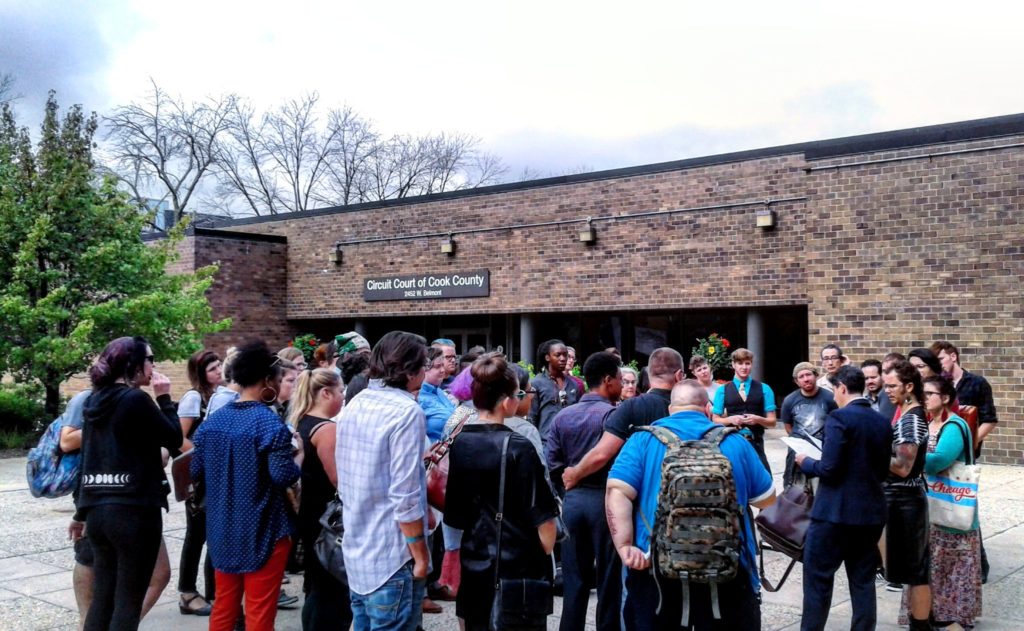
Lee was subjected to similar transphobic and hostile attitudes from Cook County Sheriff’s staff both before and during bond court the next day. In bond court, the prosecutor unnecessarily revealed Lee’s HIV+ status as a way to stigmatize Lee in front of the judge, the public, and on the court record. Lee was given a $100,000 bond that was clearly intended to keep Lee in Cook County Jail. Luckily, Chicago Community Bond Fund immediately posted the $10,000 needed to free Lee, and they were released within a few hours. SlutWalk Chicago, Trans Liberation Collective, and SWOP-Chicago organized the court support event on September 11, 2017.

Lee is facing a Class 2 felony aggravated battery charge. If Lee were to be wrongfully convicted of this charge, they could be sentenced to serve three to seven years in prison. Lee is being represented by Joey Mogul of People’s Law Office (http://peopleslawoffice.com/) and Sara Garber of Thedford Garber Law.

The charges against Lee and Gary are part of a longstanding and disturbing pattern in which queer, gender non-conforming, and transgender people and people with HIV/AIDS are presumptively and falsely framed as malicious and vindictive spreaders of disease. In fact, Lee’s attorney Joey Mogul co-authored an entire book about the criminalization of LGBT people along with co-authors Andrea Ritchie and Kay Whitlock. Queer (In)Justice documents how homophobic and transphobic prejudice pervades law enforcement practice and leads to public stigmatization and false charges, prosecution, and punishment.

Please support Lee by sharing or contributing to this fundraiser for their legal defense and medical expenses!

Filed Under: Blog, Featured Articles, Legal Observers

October 31, 2017 by Admin

We Remember Debra Evenson – Celebrating 80 Years of Law for the People

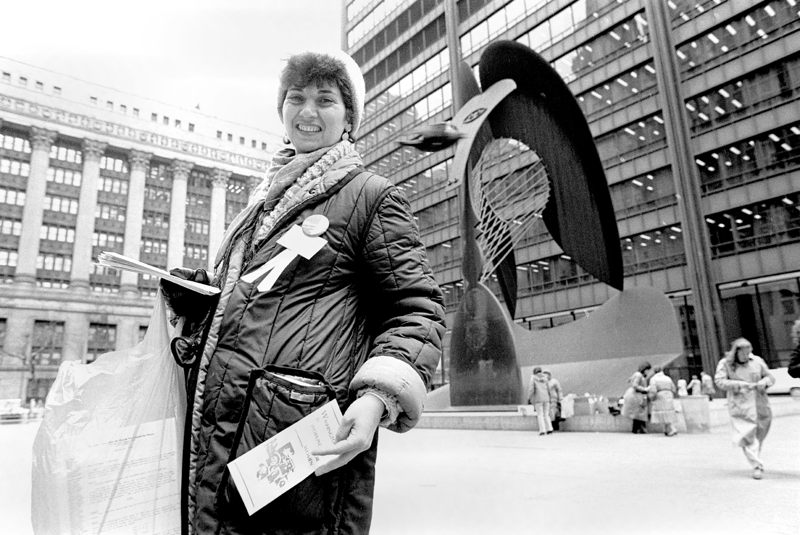
Debra Evenson leafleting in Daley Plaza for women’s rights

A past president of the Guild, law professor, and one of the nation’s foremost authorities on the legal system and institutions of Cuba, Debra Evenson represented the finest tradition of a People’s lawyer.

Debra was an American legal expert on Cuba, a practicing lawyer, and an educator. She was president of the National Lawyers Guild from 1988 until 1991. During the McCarthy era, Guild membership dwindled to a few hundred. She was part of the generation of young lawyers and law students that revived it in the late 60s and early 70s, combining political passion to combat injustice and exploitation with outstanding legal skills.

Debra also was a founding board member of the Sugar Law Center and remained on the Board until her death. Her work as a board member was instrumental in helping the Sugar Law Center defend the rights of working people in plant closing cases and the Center’s other important work.

She left DePaul University in 1992, and joined the New York City law firm Rabinowitz, Boudin, Standard, Krinsky & Lieberman. With the firm, Evenson represented the Cuban government, supporting Cuban sovereignty. She was also licensed to practice law in Cuba, where she worked with high government officials and civilians. From 1996-2001, Evenson was president of the Latin American Institute for Alternative Legal Services (ILSA) headquartered in Bogota, Columbia. During her tenure as president, ILSA organized important conferences related to legal services and human rights in Latin America, Asia and Africa and expanded its collaboration with human rights lawyers in Latin America, Central America and the Caribbean.
Debra died in Chicago on August 17, 2011, continuing to teach us through her grace and resilience confronting cancer. She was awarded the Kinoy Award for that year. She will be deeply missed.

With your help, we can build the next generation of people’s lawyers. For our 80th Anniversary, show your support for the Guild by buying a ticket!

Filed Under: Blog, DePaul, Events, Featured Articles, Law Schools, Media

October 26, 2017 by Admin

NLG Chi Proud to Present Kinoy Award to Bernardine Dohrn

This year the National Lawyers Guild is honoring Bernardine Dohrn for the Kinoy Award at our Annual Celebration. We are grateful for her steadfast and decades long commitment to the struggle for justice and global equality and her tireless mentorship of the next generation of people’s lawyers.


Here Bernardine Dohrn tells us of her work with the Guild, and shares a chapter from her book, Race Course: Against White Supremacy.
I moved to New York City to work as the first NLG law student organizer right out of law school, in June 1967.  We argued that law students and lawyers could and should be part of the Movement, as well as legal defenders of the movements: struggles against the imperialist war against Vietnam, against the draft and military injustice, in support of the Black Liberation movement including political prisoners, SNCC and the Black Panther Party.  We mobilized legal support for mass arrests at the Pentagon, demonstrations against Dean Rusk and Robert McNamara, GI’s returning their medals, the demands of Black Student Unions for African American history, culture, faculty and open enrollment, for an end to secret university war-releated research and their occupation of neighboring Black communities. We urged support for living wages for university staff and employees, and the rights of Black workers in DRUM. As I travelled to law schools across the country, law students eagerly establish NLG chapters to focus their work, and the NLG took root among radical lawyers and flourished.


After a decade as a federal fugitive on the FBI’s Ten Most Wanted list I was subpoenaed and called before a federal grand jury investigating the Brinks robbery in Manhattan in 1982.  Two of the persons charged in the Brinks robbery were Kathy Boudin and David Gilbert.  Due to their imprisonment, their 14 month-old son, Chesa Boudin joined our family as our third son, and always visited and maintained his close relationships with his biological parents, Kathy and David.   The narrative below tells that story.


Excerpt from Race Course: Against White Supremacy,
by Bill Ayers and Bernardine Dohrn, Third World Press, 2009
Chapter: The Modern Slave Ship, by Bernardine Dohrn


“I did time in the federal correction center while the {3} children were young, and they visited me separately each week.  With Zayd, who was five, I did elaborate homemade crossword puzzles, we read books, and then talked about why the other women in the visiting room were incarcerated, and who was visiting them.  He jumped into my arms to tell me about the long wait downstairs, the searches, and the ways in which guards shouted to waiting families about dress codes and contraband.  He sat on my lap for the whole visit, and when he left with the comforting friend who always brought him, he would wave to me from across the street until I flashed the lights in my cell as a final goodbye.


Visits from two-year-old Malik were excruciating but deeply satisfying.  He almost always went directly to sleep in my arms, so I could breathe in his toddler smell and nuzzle his cheeks and neck, examine his hands with impunity.  Although he was verbal and articulate, able to say that his suddenly new brother Chesa “can’t have my mommy,” he chose silence during our visits.  Chesa, already visiting his biological parents in prison as a one year old, visited me less often.


The Metropolitan Correctional Center is at the edge of Chinatown and across from the New York City Police Headquarters in Lower Manhattan.  From certain cells, we could see the Brooklyn Bridge.  Only one floor of the tall, narrow pre-trial building housed women: we were some eighty women in a prison of more than a thousand men.  That made every venture away from our unit an unpredictable voyage: entry into a packed elevator of male prisoners and guards; processing in the lawyers’ visiting area with shouting male voices vying to hear each other; unexpected conversations in line waiting to see a medic.  Because none of us were yet convicted, we did not endure the routine strip searches and internal examination of bodily cavities that characterize women’s prisons, nor were we routinely subjected to sexualized violence.


The women on our unit were African American if they lived in New York City, or Latinas direct from Colombia or Mexico who spoke only Spanish.  The women from Latin America had seen only Kennedy Airport and the MCC in North America; they cried and said rosaries and were humorously willing to try to teach this ignorant gringa Spanish.  All were charged with  carrying drugs into the U.S. as “mules”; none were major or even regular drug dealers but each had taken one crazy, terrible risk, in the hopes of getting money to help their children have better lives.  The women were being prosecuted primarily to “flip” them, to give evidence against male higher-ups.  There was no word then for globalization but these women were an advanced wave of the so-called war on drugs and the escalating incarceration and criminalization of women.  At the current rates of incarcerating women, there will be more women in prison in 2010 than there were all prisoners in the U.S. in 1970.  Such is the taken-for-granted of what passes for crime control.


My closest friend was Cheryl, ten years older and able to beat me regularly at Scrabble.  Cheryl spent a good part of the day on the pay phone; she was openly proud that her craft (hotel boosting, or robbing hotel rooms) required wit and never violence.  Cheryl taught me to count to ten slowly whenever it appeared that a fight was jumping off between women prisoners, and she schooled me in the fact that women were likely to shout, to get in each other’s faces, but that if a punch had not been thrown by the number ten, it would stay verbal.  In fact, the women on the unit were generous and kind to one another, organizing efficiently to nurse a new prisoner who was detoxifying and miserably sick by sitting with her in shifts, sponging her face, offering clean sheets.  They knew how to get through holidays together.  We shared books and cosmetics.  We plotted how to get out along with the (all male) guards if there were a fire in the building.  Some were geniuses at sewing and making the miserable navy blue uniforms look tight.


My term in prison was indeterminate and bizarre.  I was jailed for refusing to obey the order of a judge to cooperate with a federal grand jury by giving samples of my handwriting.  I was held in civil contempt of court, although my lawyer and I argue that the government was in possession of rooms filled with my handwriting, since they had seized files and letters from my apartments during COINTELPRO, a secret and illegal FBI program), and I had subsequently been a federal fugitive for eleven years.  It was anguishing to be separated from our young children, but I saw resistance as a question of principle.  During our years outside the law, scores of people refused to cooperate with grand jury witch hunt, organized to try to find members of the Weather Underground.  The government grand jury strategy failed because ordinary people, innocent people, refused to cooperate.  I could not do differently, even in different circumstances.


The dilemma was that there is no sentence when you are held in contempt.  The idea of the prosecutor is to coerce your testimony, a relic from the British Star Chamber proceedings.  So we (there were fifteen women who defied the grand jury, all of us at MCC) were ordered to be held until we cooperated, or until the U.S. attorney decided to indict us, or until their interest moved on to other matters.  I had been back in ordinary life, above ground, for just a year, working as a waiter, then at a law firm, being a mom of three boys, and thinking about how to reinvent myself as an activist at the age of forty.  Bill visited me every single day, parented three small children, and tried to cope.


As it turned out, I served just seven months.  I was released on a motion that argued that since I would never cooperate, because I was willful and stubborn, the contempt sentence had become “punishment” instead of “coercion”.  The other grand jury women were similarly released, or were charged in huge RICO conspiracy indictments.  I thought I would never forget my prison number, never want to read another murder mystery, or do yoga again.  But back with my family, we began the prison visits with Kathy and David that would characterize the next twenty years.”
 

The National Lawyers Guild is proud to be presenting the Kinoy Award to Bernardine Dohrn. For our 80th Anniversary, show your support for the Guild by buying a ticket!


Filed Under: Blog, Events, Featured Articles, Law Schools, Media

October 24, 2017 by Admin

NLG Chi Proud to Present NextGen Award to #ExpandSanctuary Campaign

The #ExpandSanctuary Campaign is the joint venture of Mijente, BYP100, and OCAD. These three Black, Latinx, and migrant organizations came together in the wake of Donald Trump’s attack on “sanctuary” cities to push Chicago to stand in defiance of the President, defend the constitution, and promote policies that offer real safety to all residents. Their campaign is focused on four major goals:

  • The decriminalization and alternative processing of crimes of survival, DUIs disproportionately policed in Black and Latinx neighborhoods, incidents at schools, drug related offenses, and more.
  • Elimination of the flawed gang database.
  • Reallocation of city resources from law enforcement to community institutions that provide long-term safety such as schools, clinics, and hospitals.
  • Amendments to the Welcoming City ordinance to prevent collusion with federal deportation agents.

For another overview of the #ExpandSanctuary Campaign, you can watch this video with Tania Unzueta, the Legal and Policy Director for Mijente; and Janaé Bonsu, National Public Policy Chair of BYP100.

Expand Sanctuary from Sensitive Visuals on Vimeo.

Mijente is a new hub for social justice organizing both online and on the ground. They are meant to be the political home for Latinx and Chicanx people, helping develop the next generation of leadership for social change. The folks behind Mijente understand that in order to dismantle systems of oppression, Latinx leaders, advocates, organizers, cultural workers, media-makers, writers and theorists must come together to make the culture and policy changes their community needs.

Organized Communities Against Deportations (OCAD) is a community based organization in Illinois that organizes against unfair and inhumane immigration enforcement practices that impact immigrant communities. We fight case by case, person by person, at the same time that we work to change the implementation and enforcement practices that criminalize our community.

BYP100 is an activist member-based organization of Black 18-35 year olds, dedicated to creating justice and freedom for all Black people. They do this by building a collective focused on transformative leadership development, direct action organizing, advocacy and education using a Black queer feminist lens. Their work includes training young black activists in organizing and tactics, mobilizing young black leaders on issues of dismantling the prison industrial complex and securing LGBT and women’s rights, and running campaigns against the criminalization of Black youth, racial profiling, and police brutality.

The #ExpandSanctuary Campaign was launched in Chicago in a press conference on January 26, in which Mijente, OCAD and BYP100 called on Mayor Rahm Emanuel to do more to committing to keeping Chicago a sanctuary city.

Since then, the campaign has also highlighted the effects of the gang database on Black and Brown residents of Chicago. In the case of Luis Vicente Pedrote-Salinas, his lawyers say he is not and never has been a gang member, but was falsely labeled as one after being arrested six years ago for allegedly having an unopened can of beer in his truck. Pedrote would qualify for DACA were he not erroneously listed in the database. To read more on the case, check out:

Chicago Sun Times: Unopened beer can, gang database errors fuel deportation case

Chicago Tribune: Immigrant sues Chicago, police for placing his name in gang database

On October 10, the #ExpandSanctuary Campaign, held an action against the proposed $95 million police academy by blocking a section of Randolph Street with three life-size representations of statistics that show how Chicago and Mayor Emanuel have failed to live up to the claim of being a “Sanctuary” city.

A bar graph that shows that for every dollar that the City of Chicago has allocated to the Police Department for 2017, there are 12 cents for the Department of Planning and Development, 2 cents for the Department of Public Health and 5 cents for the Department of Family and Support Services. To put this in context, the City of Chicago spends close to 40% of its budget on the Policing its residents, in addition to the $52 million that was paid by taxpayers for police misconduct in fees and fines in 2016.

A series of silhouettes that show that when a police officer designates someone as a potential gang member — without any due process or judicial review, as currently happens in Chicago — the effects can include incarceration, unemployment, and in the case of immigrants, could mean deportation. An initial analysis of the CPD Strategic Subject List (SSL) reads that of those marked as “gang affiliated” 95% are Black or Latinx, and 97% are men.

A series of coffins and bodies to represent that 88% of the people hit or killed by the Chicago police between 2008 and 2015 are Black or brown.

The National Lawyers Guild is proud to be presenting the NextGen award to the #ExpandSanctuary campaign. Mijente, BYP100, and OCAD represent some of the most innovative and outstanding organizing in Chicago.

For our 80th Anniversary, show your support for the Guild by buying a ticket!


Filed Under: Blog, Events, Featured Articles, Media, Next Gen

  • « Previous Page
  • 1
  • …
  • 13
  • 14
  • 15
  • 16
  • 17
  • …
  • 43
  • Next Page »

Support the Movement

Help support the crucial work of the National Lawyers Guild Chicago by joining or contributing today.


Contact

637 S. Dearborn St., 3rd Floor
Chicago, IL 60605

chicago[@]nlg.org

© Copyright 2014 National Lawyers Guild Chicago · All Rights Reserved · Admin Login